Exploring The Unexplored - Part III
So much is yet to be explored! A humble nation, traversed by thousands over time, still has so many new places to be discovered? There are many facets of existing popular destinations that have never seen the light of day. Let us look at a few places to explore, shall we?
Panauti
Province: Bagmati
Distance from Kathmandu: 32 km
Accessibility: Land at TIA (Tribhuvan International Airport) and take a 1.5 hour bus ride along Araniko Highway
Attractions: Well preserved traditional Newar architecture, Indreshwar Mahadev Temple, Brahmayani Temple, Tindhare Waterfall, Old Bazzar
When we think of the Newar culture; and their dominion, the valley kingdoms of Lalitpur, Kathmandu (Kantipur) and Bhaktapur come to mind. But, they aren't the only cities that feature a sizeable population of this ethnic community that once dominated the landscape of this region. Cities such as Panauti, Bandipur, Kirtipur, Bhimphedi, Banepa, Nuwakot and Palpa also feature brilliant examples of Newari culture and lifestyle.
Panauti was once a flourishing kingdom. It was a trading hub in Tibet and India's ancient Salt Trade Route. Historically, this region was a small state. As per historical findings, the settlement was created by King Ananda Malla.
“This younger brother (Ananda Malla) being very generous and wise, gave up the sovereingty over the two cities, and having invoked Annapurna Devi from Kasi founded a city of 12,000 houses which he named Bhaktapur(Bhatgaon) and included sixty small village in his territory.After this, the Raja having obtained the favour and directions of Chandeswari, founded seven towns; viz. Banepur(Banepa) near Chandeswari Pitha, Panavati(Panauti), near the Pragaya TIrtha of Nepal, celebrated in the Shastras on the site where Panchala-des formely stood, Nala, near Nala Bhagavati, Dhaukhle near Narayana; Khapu near Dhaneswaril Chaukot near the residence of Chankora Rishi; Sanga near Nasika Pitha.”
Wright 1877: 163
Later, during the reign of King Bhupatindra Malla, the state was presented his passed on to his sister as dowry (offerings given by the bride's side during marriage). Panauti is a city of great historical significance. As per chronicles and historical findings, this region was where the Panchala-desh once stood. Panchala was one of sixteen mahajanapadas (states) of the Indian subcontinent. Characters of Mahabharata such as Draupadi, Drupada, Satyajit, and Sage Dhaumya are said to be natives of Panchala.
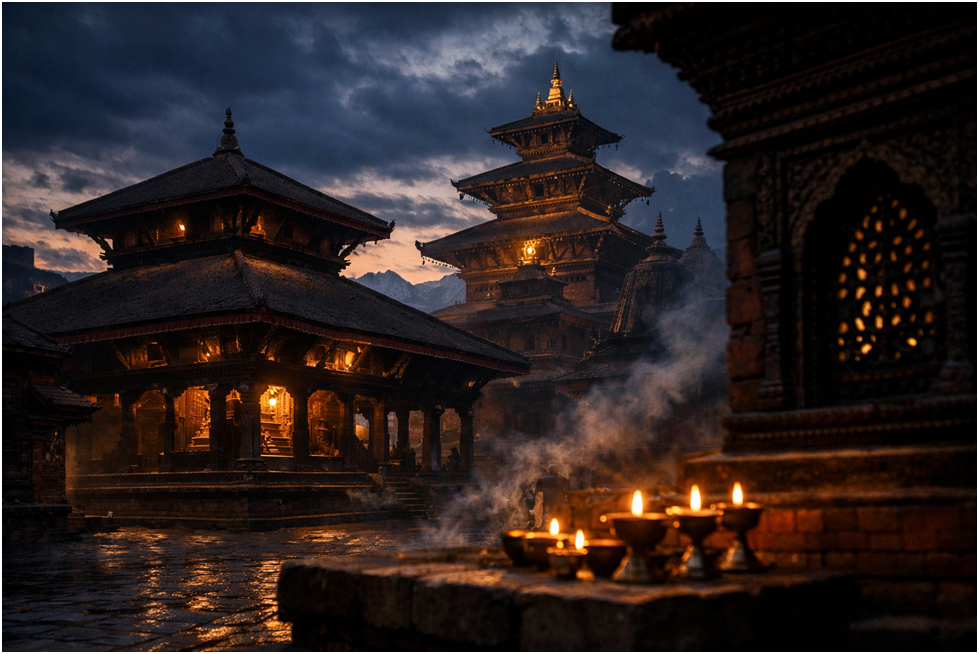
Panauti is an example of what the entire valley once looked like once. The city is stagnant today like many other once trading hubs of the ancient salt route. This stagnation helped preserve the historicity of the city and its architecture.
Koshi Tappu Wildlife Reserve
Provinces: 1 & 2 ( Madesh Province)
Distance from Kathmandu:
Accessibility
By Road: 8.5 hour bus ride (338.6km) via B.P Highway & East-West Highway, Daily buses (Day & Night) service from Kathmandu to Kakarbhitta and Biratnagar, visitors shpuld disembark at Jamuha and walk 2.5 km to the reserve head quarter.
By Air: 35 minute plain ride from Kathmandu to Biratnagar then a 1.5 hour bus ride
Attractions: Sapta Koshi River, last surviving population of wild buffalo, fauna species such as hog dee, wild deer, spotted deer, blue bull and rock python, panoramic views of Himalayan peaks including Makalu (8643m), 441 species of birds (14 endemic)
Koshi Tappu Wildlife Reserve KTWR) is a marvellous example of conservation at its finest. Originally this area was announced as a Hunting Reserve in 1969 with a total area of 12 km2. In 1976, the reserve area was enlarged to 65 km2. A third phase extension was conducted in 1980 to feature the present total area of 175 km2.
When we think of the conservation area projects in Nepal- the eastern flank is highly reclusive. Due to ineffective development of transportation and lack of adequate promotion compared to its western siblings are less traversed.
KTWR is the last habitat for Babalus arnee, also known as Wild Buffalo or Arna in the Nepalese language. It is also the habitat for 14 endemic species of birds that thrive in this wetland. This area has thee distinct seasons- Summer (February through May), which is very hot with minimal precipitation. The monsoon beings in late May/early June and lasts till September. The monsoon features intense flooding of the region. Winter beings in October and lasts till January. Even this season features moderate temperature, it can get cold sometimes.
The last time KTWR came into the spotlight was when Gangetic dolphin's were spotted in the lake system. The reserve is home to the endangered Gharial crocodile and is the perfect habitat for various migratory birds.
POPULAR ITINERARIES

SIMILAR POSTS
Exploring The Unexplored - Part II
We travel for various reasons. Some do it to recreate, while others to discover oneself and the world. It is a unique process that allows us to understand life and its multiple folds. Nepal’s potential as a great retreat is a fact known to all. But within the explored lies countless other places which await you.
The Barun Valley
Province: Province 1
Distance from Kathmandu: 173 km
Accessibility
By Road: 12 hour bus ride to Tumlingtar
By Air: Land at Tumlingtar Airport- 2 hours then a 3 hour drive
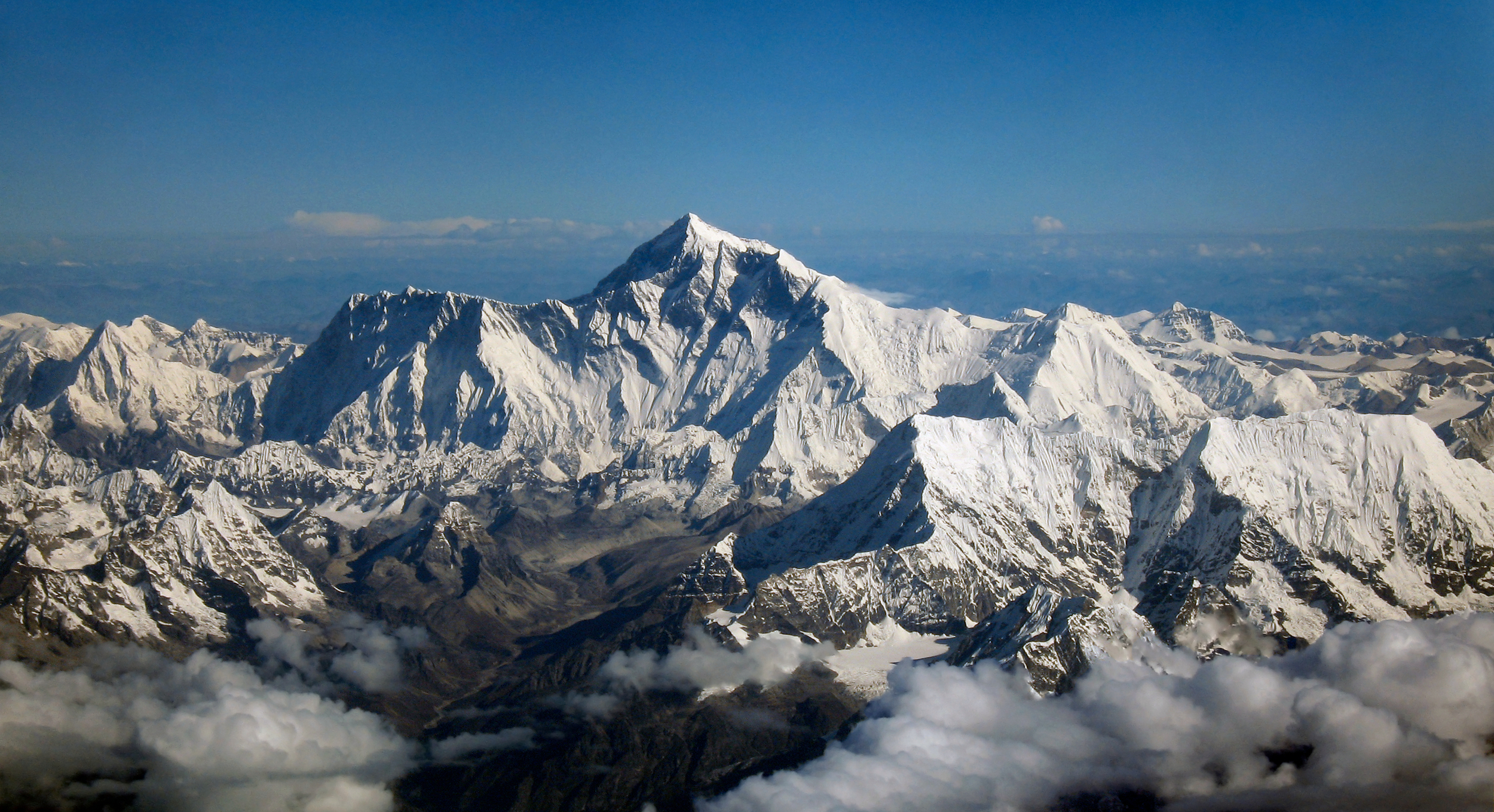
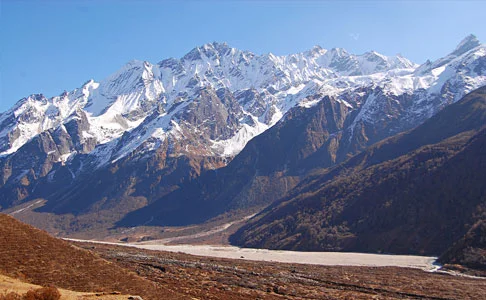
Attractions: Panoramic vista of the Himalayas, Makalu Himal- 5th highest mountain in the world, Makalu Base Camp, Salpa Pokhari, Thulo Pokhari, Barun Pokhari, Dudh Pokhari, Shiva Dhara, Kirat culture and monuments, plethora of flora and fauna.
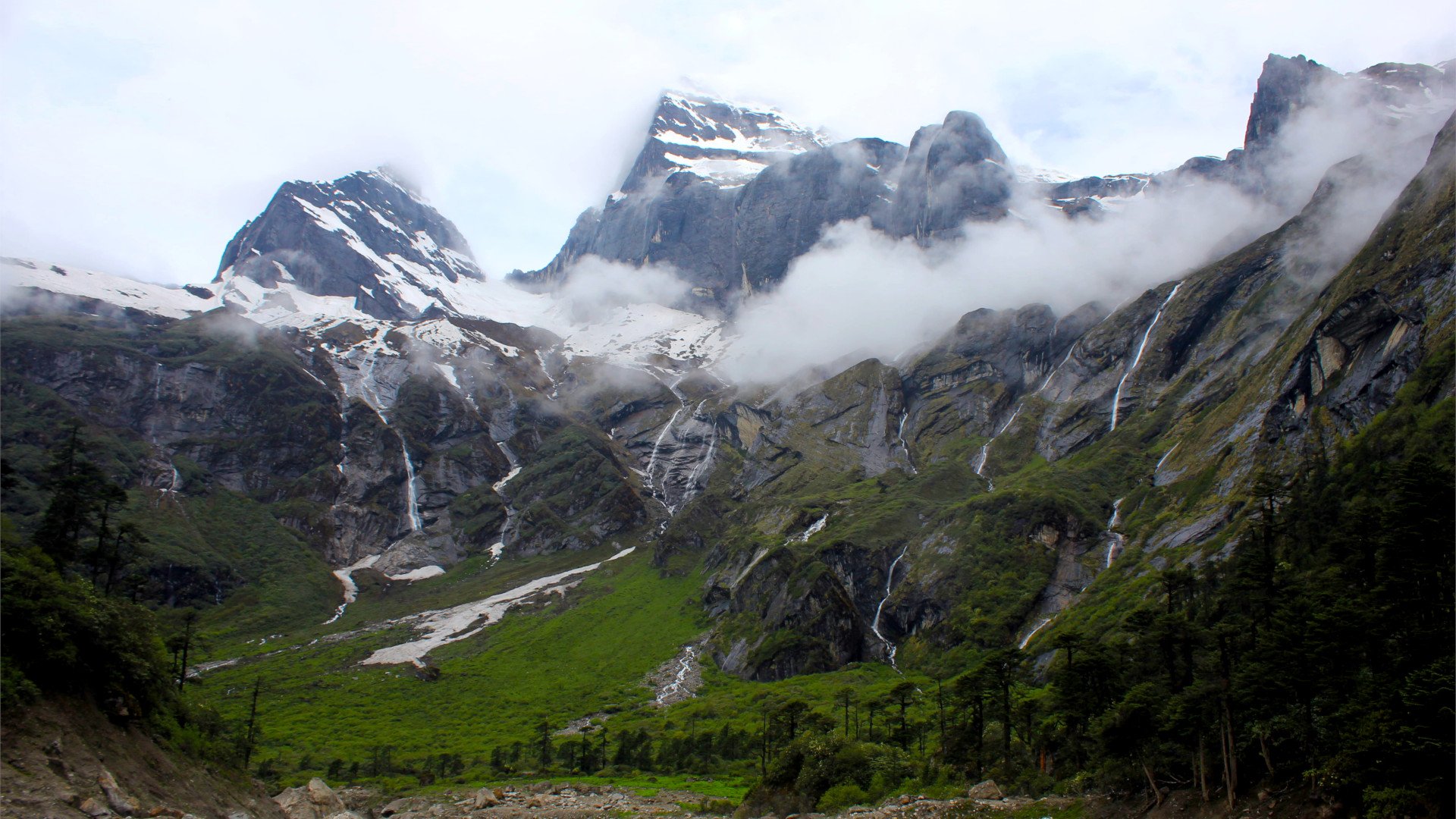
The great himalayan outback is pristine and unexplored. Much of this great space is unknown to travellers. This remoteness has helped preserve the regions authenticity but it has also hindered it from advancing and truly meeting its tourism potential. Amongst such destinations is the Barun Valley. This beautiful valley, something straight out of a sci-fi plot is magical. It features breathtaking views of the great panoramic vista, and exotic flora and fauna species. This valley is located at the base of Mt. Makalu in the Sankhuwasabha district of Nepal. It is a part of Makalu Barun National Park.
This valley was created by the Barun River. In terms of inhabitants, historians believe that it was previously inhabited by Yakkha and Limbu people centuries ago. This valley is also mentioned in the ancient Buddhist books- seven Beyul (Nghe- Beyul Khimpalung). This book mentions great mystical lands in the Himalayas where no one gets old. It is said that if a great cataclysm occurs, these seven areas of the world will only survive. One of the seven Beyul is said to be situated in the Makalu- Barun region. Historians state that it could well be this pristine valley.
Palpa
Province: Lumbini
Distance from Kathmandu: 273.7 km
Accessibility:
By Road: 8 hours and 14 minutes
By Air: Land at Gautam Buddha International Airport in Bhairahawa and drive 2 hours and 24 minutes to reach Palpa region
Attractions: Argeli Palace, Rambha Devi Temple, Ranighat Palace (Ranimahal), Rishikesh Complex, Tansen Bazzar, Bhairabsthan Temple (Tansen Bhairab), Shrinagar Hill, Tansen Durbar
Travel Season: Throughout the year
The region of Palpa has much to offer in multiple genres of tourism. The potential of this region as a religious site along with sightseeing and cultural tourism is strong. The central attraction of this place is the hill station of Tansen. In 2008 AD, UNESCO added this area to its tentative list for World Heritage in the cultural category.
The whole of Palpa has a strong note of Magar culture, but there is Newar influence in multiple locales. The souvenir of this region has always been Palpali Dhaka. It is a unique cloth produced by the local Newars. One of the most famous landmarks is the “Golghar”, an octagonal pavilion in the middle of Sitalpati, the main market square. Srinagar hill is a popular viewpoint that offers a beautiful panorama of the high Himalayas. Peaks such as Dhaulagiri, Tukuche, Nilgiri, Annapurna, Himchuli and others are visible on a clear day.
The unique fusion of Palpa makes it a great destination. It offers something for all genre of travellers, which has always been its greatest strength. Exploring the core settlements of Tansen at times makes you feel like you are in Kathmandu due to the strong influence of Newar culture.
POPULAR ITINERARIES
SIMILAR POSTS
Exploring the unexplored - Part I
We travel for various reasons. Some do it to recreate, while others to discover oneself and the world. It is a unique process that allows us to understand life and its multiple folds. Nepal’s potential as a great retreat is a fact known to all. But within the explored lies countless other places which await you.
We travel for various reasons. Some do it to recreate, while others to discover oneself and the world. It is a unique process that allows us to understand life and its multiple folds. Nepal’s potential as a great retreat is a fact known to all. But within the explored lies countless other places which await you.
In this article, we look into these prospective gems. They have so much to give in terms of natural yonder, cultural values and lifestyle experiences.
Therathum
Province: 1
Distance from Kathmandu: 493 km
Accessibility:
By Road: 13 hours and 3 minutes
By Air: Land at Tumlingtar Airport in Sankhuwasabha and drive 3 hours 46 minutes to reach Therathum region
Attractions: Deurali Dada, Hyatrung Waterfall, Tea Garden
Travel Season: Throughout the year
Therathum has for years been on the radar as a potential tourism goldmine. It has a unique cultural setting with ethnic and natural diversity. These are great lures to draw in both domestic and foreign tourists. In ancient times this region was part of Pallo Kiraat province. One of many footholds of the Kirat dynasty.
Amongst the numerous locations suited for tourism, Deurali Dada (Deurali Hill) is a great rendezvous. Also known as the capital of lali guras (rhododendrons), this hilltop during spring is a sight to behold. It also has a charming lake known as Chichilung. The longest waterfall of Nepal, known as Hyatrung, is located at Ishibu. This waterfall ranks as the second-highest in the whole of Asia. Apart from these, Solma is also popular due to its robust tea gardens, which create a picturesque landscape.
Shey Phoksundo Lake
Province: 6
Distance From Kathmandu: 315 km
Accessibility:
By air: Shey Phoksundo can be only accessed through Nepalgunj or which has to take a flight to Nepalgunj and from there to Juphal in Dolpa and 4 days trek to Ringmo
By road: 24-25 hour bus ride from Kathmandu- Radi Bazar and 4 days trek to Ringmo
Route by road & return by air: Kathmandu- Radi Bazzar- Tallo Bagar - Supani - Suligad - Kagani - Chhepka - Rachhi - Samjhana Hotel - Jharna Hotel - Ringmo (Shey Phoksundo Lake) - Chhepka - Kagani - Suligad - Juphal Airport - Nepalgunj - Kathmandu
Attraction: Tshwo Gompa, Highest Waterfall in Nepal, Himalayan Panaroma
Travel Season: Spring (March-May) and Autumn (Sep-Nov)
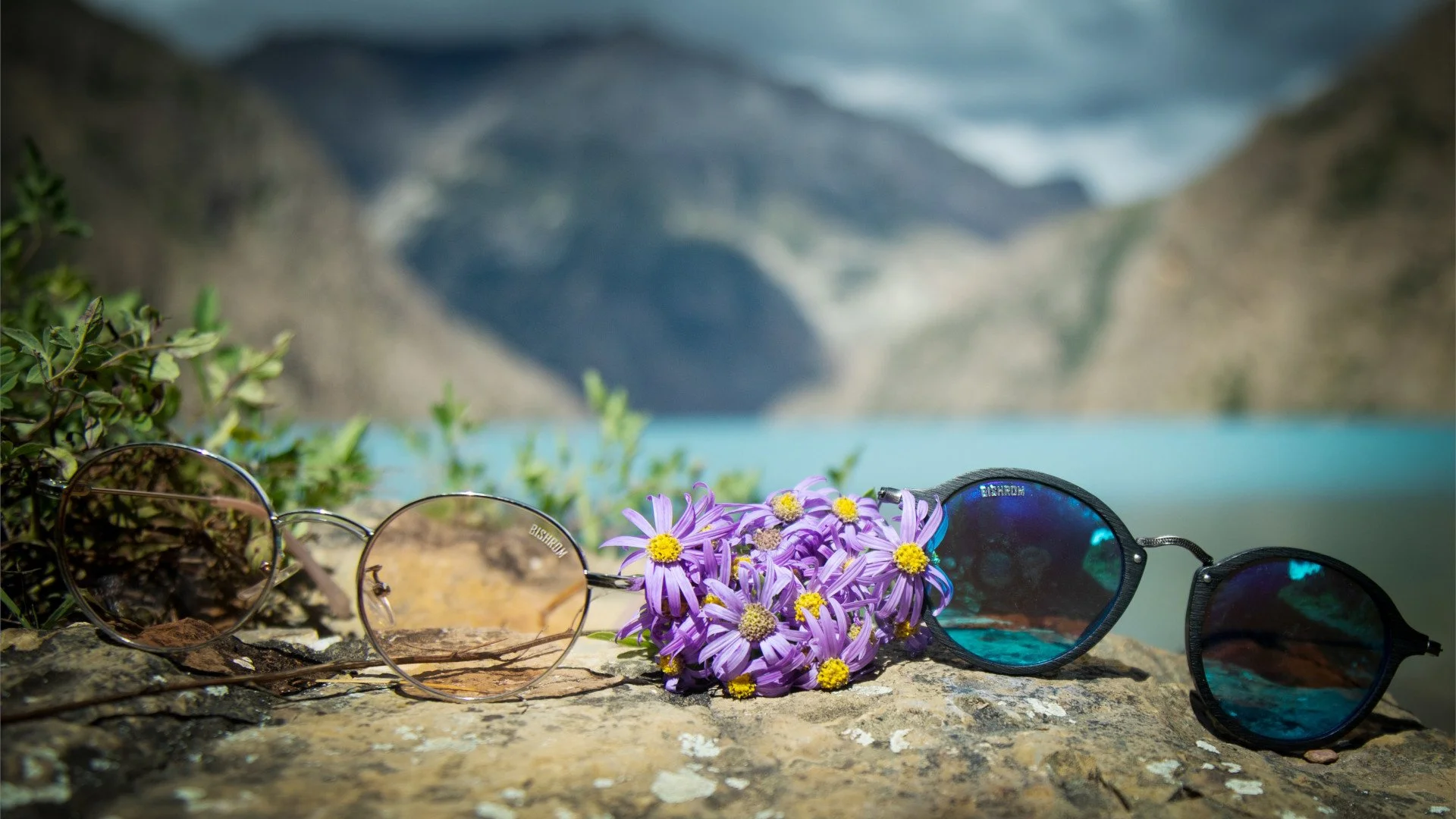
The sea-green water of this magnificent lake at golden hours is hard to describe. Sitting by it with the distant sound of a waterfall under an open blue sky is an experience straight out of heaven. The Phoksundo lake is within Shey Phoksundo National Park, the largest and only trans-Himalayan protected area of Nepal. On the southern end of the lake lies the village of Ringmo on top of a landslide dam created 30-40,000 years ago.
This body of water lies at an elevation of 3,660 m (12,010 ft). Surrounded by glaciers in its upper range, it is famous for its magnificent turquoise colour. Near the lake’s outlet is the country’s highest waterfall. The trek to this part of Nepal is strenuous, but the reward is an experience worth multiple lifetimes. The trip offers landscapes beyond words. Getting to experience the lifestyle of the ethnic community is a bonus.
Tsho Rolpa Glacial Lake
Province: 3
Distance From Kathmandu: 114 km
Accessibility:
8 hour drive from Kathmandu to Singati Bazzar, trekking itinerary can be anywhere between 7-9 days
Route: Kathmandu - Singati Bazaar - Chhetchhet - Simigaun - Dongang - Beding- Na - Tsho Rolpa- Beding - Kyalche - Chhetchhet- Singati Bazaar
Attractions: Gaurishankar Himal (7134m), Glacial Lake, Sherpa Culture of Rolwaling Valley
Travel Season: Spring, Autumn
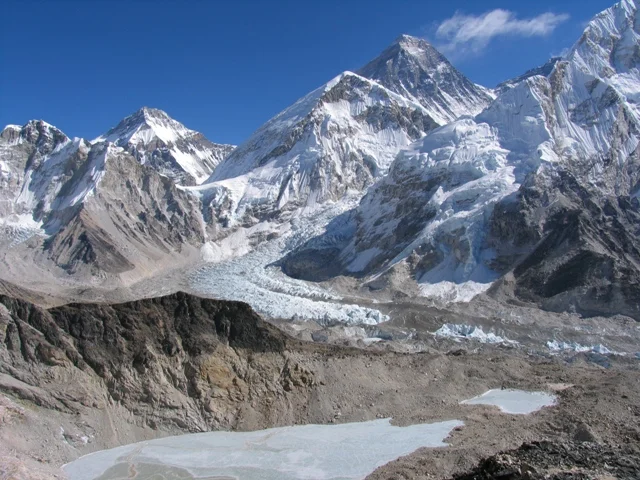
The Rolwaling valley of central Nepal for years has laid under the shadow of its neighbouring Everest region. Its possibility as a tourism destination has for years been talked about by tourism specialists. But lack of interest made this valley a hidden gem.
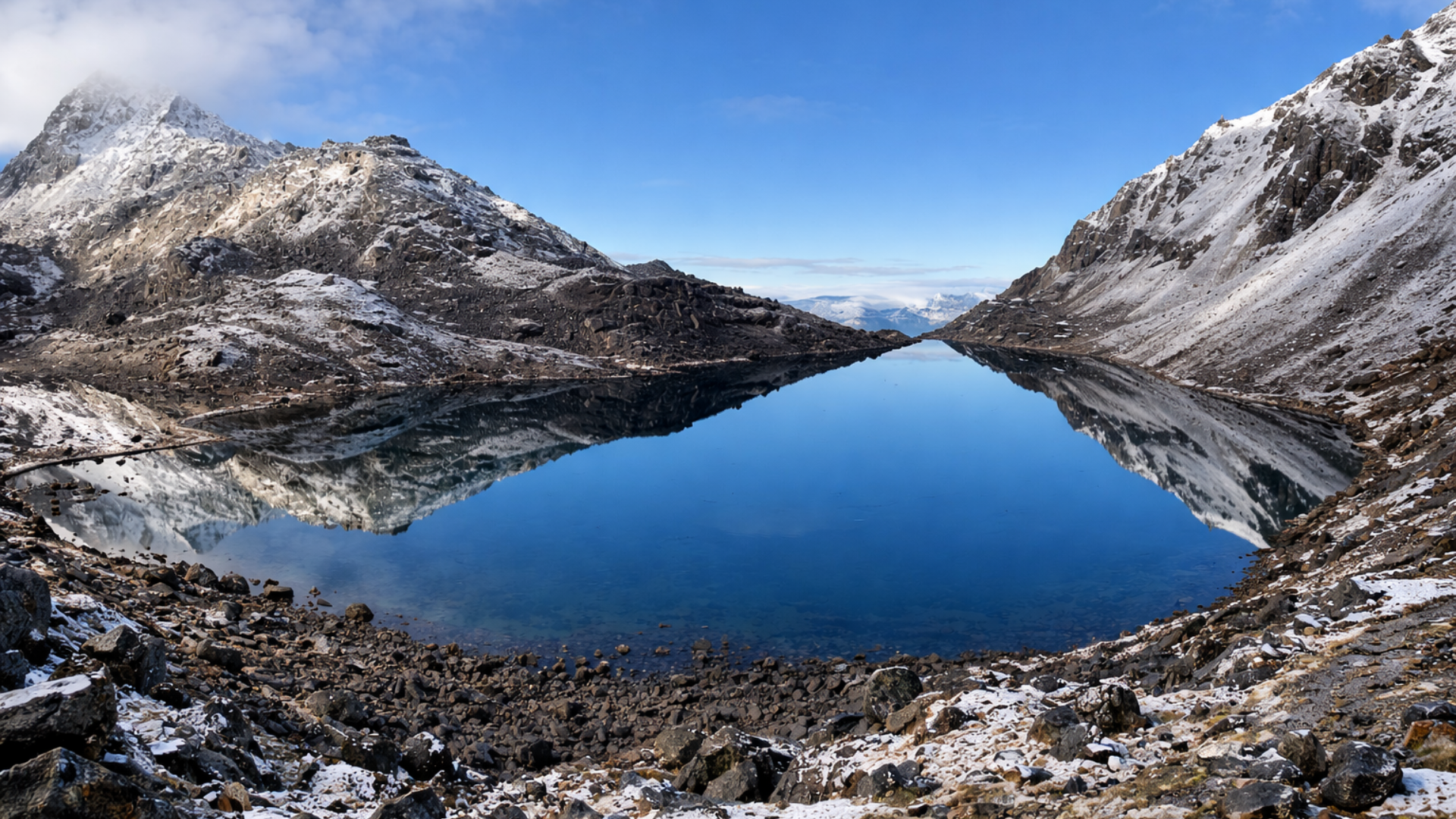
Its crown jewel is the Tsho Rolpa (Cho Rolpa) glacial lake situated at 4,580 m (15,030ft). In recent years, it garnered attention due to the accelerated melting of the glacier.
Reaching Tsho Rolpa is a challenging trek, but the tranquil glacial water is worth the hardship. This area is home to the Sherpa community, dispersed in beautiful villages. This trek also allows one to experience their traditional culture and lifestyle. An extended itinerary to explore the Daldlung Pass features splendid views of the high Himalayas.
POPULAR ITINERARIES
SIMILAR POSTS
UNESCO World Heritage: Swayambhu Nath
"In Satya Yuga, Bipaswi Buddha came from a city known by the name of Bandhumati; and having taken up his abode on the mountain to the west of Nag Hrad(Kathmandu Valley) sowed a lotus-seed in the tank, on the day of the full moon in the month of Chait. The lotus seed that had been sown brought forth a lotus flower, in the middle of which Swayambhu (who had come from Aknisht Bhuban) appeared in the form of light, on the day of the full moon in Aswin." Wright 1877: 77-78
"In Satya Yuga, Bipaswi Buddha came from a city known by the name of Bandhumati; and having taken up his abode on the mountain to the west of Nag Hrad(Kathmandu Valley) sowed a lotus-seed in the tank, on the day of the full moon in the month of Chait. The lotus seed that had been sown brought forth a lotus flower, in the middle of which Swayambhu (who had come from Aknisht Bhuban) appeared in the form of light, on the day of the full moon in Aswin." Wright 1877: 77-78
Most of the historic chronicles have the lotus seed that brought light be marked as the beginning of the history of the Kathmandu Valley. The light of Swayambhu was inaccessible till the age of Treta Yuga, when Bodhistva Manjushri came from Mahachin(China) and drained the lake from the pass at Kotwal(The place where Bagmati passes out of the Valley) with other passes drawn at Chobar. With the valley drained, Bodhistva Manjuri made the valley inhabitable and the light of Swayambhu accessible to its worshippers.
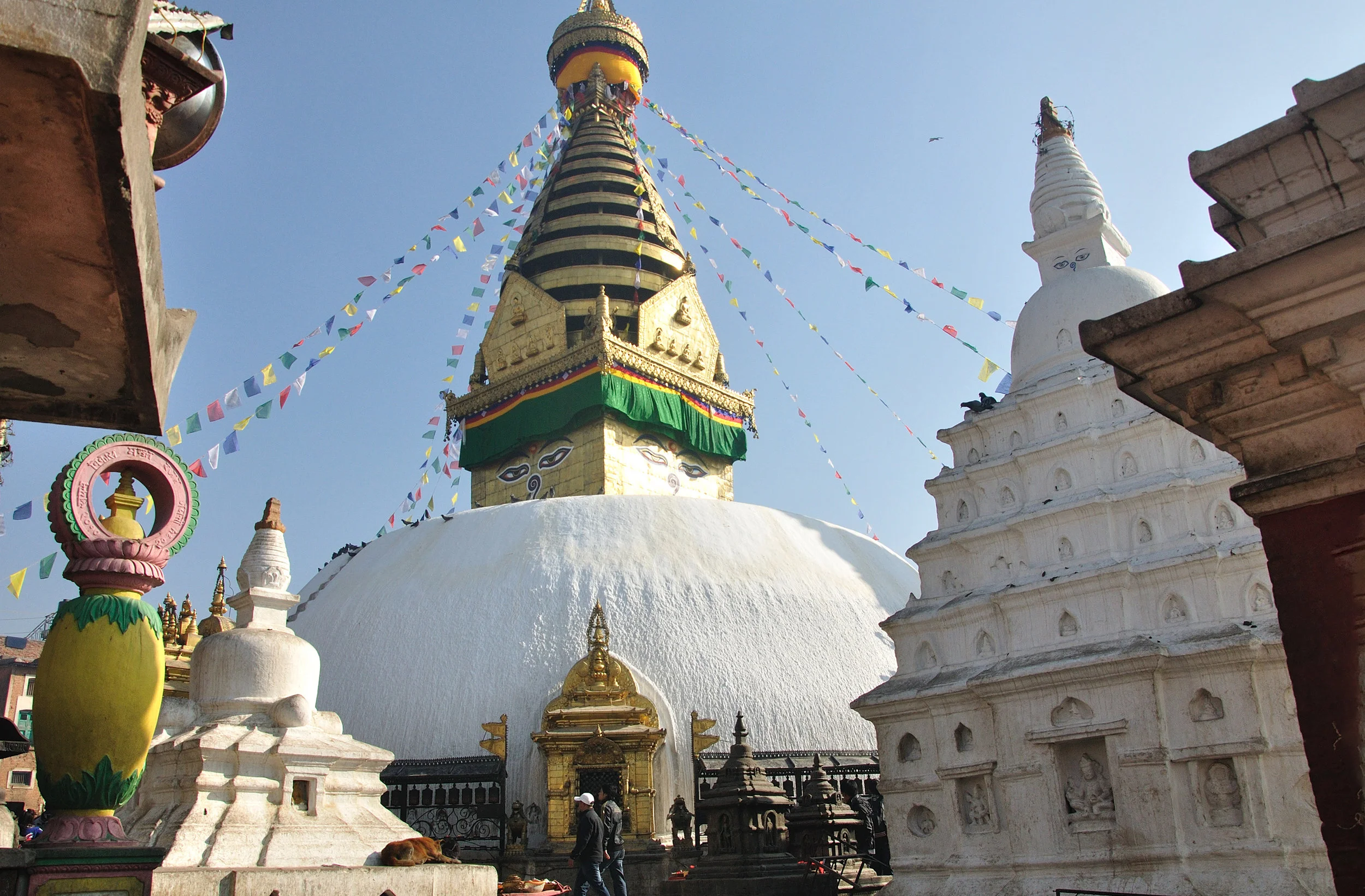
The shrine of Swayambhu, the dome stupa with eyes of the enlightenment and the pinnacle was built only in the Kali Yuga. Before which it is believed that at the summit of Padma (Padma- Giri Hill; the mountain upon which Swayambhu stands) the place where the shrine is today was a great beam of light that penetrated heaven and even the depths of hell.
"The Kali Yuga, in which mankind would be utterly sinful, was approaching. He (Sant-sri) therefore covered the Swayambhu light with a stone, and built a chaitya and temple over it. He then built five rooms named Basupur, Agnipur, Bayupur, Nagpur and Santipur in the last which he lived, absorbed in devout meditation." Wright 1877:84
It is believed in local legends that even till this date Sant-sri, is in devout meditation in Santipur and shall emerge to protect the valley in times of grave danger. I remember the first time I climbed the steps to the top of Padma-Giri, as I took the last step with deep breaths. The shrine of Swayambhu was a sight to behold, view it form any perspective you wish.
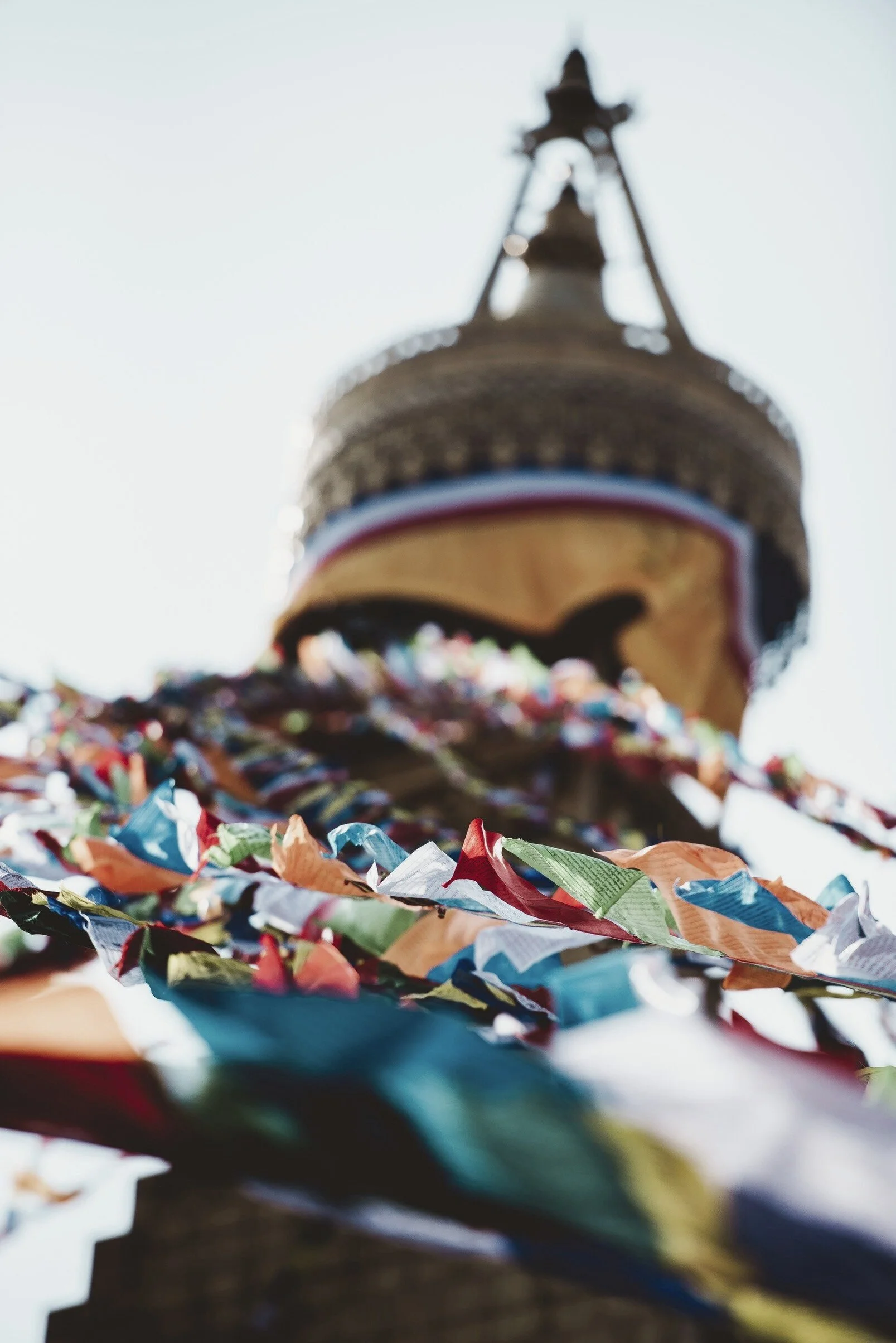
Architecturally it is a phenomena, the dome base atop which a cubical structure painted with the eyes of Shakya-Muni (Lord Buddha) in all four direction shielded by the pentagonal Torana with symbolic engravings. Above the Toranas are thirteen tiers crowned by a Gajur, now imagine a time lapse of its creation? Symbolically the base dome represents the world; the eyes of Shakya-Muni represent the status of enlightenment free from all bonds of the world. The thirteen tiers of the pinnacle symbolize thirteen stages of spiritual realizations to the enlightenment.
Spiritually as a native Newar it is the center of all our devotion and from the perspective of a sociologist, a beautiful lineage of history which has become the epicenter of Newar culture.
Today, the shrine of Swayambhu is known as Swayambhu-Nath or The Monkey Temple and is a major tourist attraction of Kathmandu Valley. Riddled with numerous shrines of Bodhistva's, Lichavi chaitya and stupas, mists of incents and chants of prayer. The Padma-Giri is a hill of spiritual awakening, the light of Swayambhu ever since history began has been a beacon of enlightenment attracting its seekers to the valley, even till this date many take great journeys to find sanctum in its light.
During the 2015 earthquake, the principal stupa didn’t suffer major damage but the surrounded chaityas, shikharas and temples along with living residents of the priests suffered major damage. The most notable difference was not seeing the two Shikharas built by Late King Pratap Malla in 1668 AD. Flanking the principal stupa, Late King Pratap Malla had built the two Shikharas with Agam Devtas within them along with which he placed a Bajra( Thunderbolt) in the Dharmadhatu mandala in front of Akshobhya Buddha. Having them being fully restored with other shrines and chaityas repaired, the area of Swayambhu was one of the very first UNESCO sites to reach a full restoration state.
For it may withstand many quakes to come, shall the eyes of enlightenment forever bring peace to its beholders. For may it always be a sanctum for its seekers and the light of Swayambhu always shine.
Hashtags: #Swayambhu #KathmanduValley #NewarCulture #BuddhistHeritage #EnlightenmentJourney #UNESCOSites #NepalEarthquake2015
POPULAR ITINERARIES
SIMILAR POSTS