
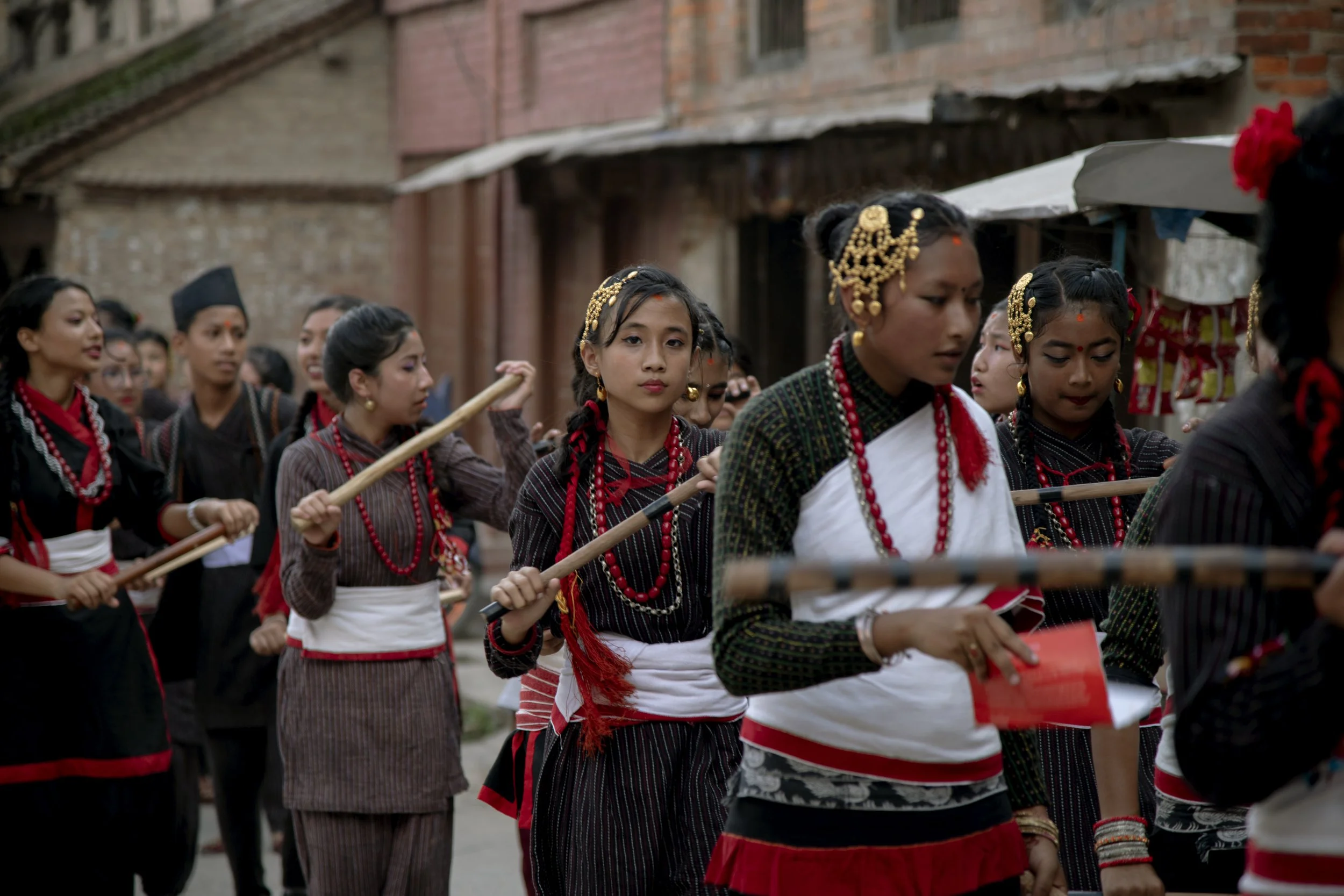
The Rich Tapestry of Newar Culture
Newar culture in Nepal's Kathmandu Valley is a vibrant tapestry of artistic excellence, syncretic religions, festivals, and a unique socioeconomic structure. Challenges and preservation efforts are vital to safeguard this rich heritage and promote a deeper understanding and appreciation of its contributions to global cultural diversity.
The Newar community, nestled in the Kathmandu Valley of Nepal, boasts a vibrant cultural heritage that is a testament to their remarkable history and resilience. As an expert in Newar culture with a deep understanding garnered through academic qualifications in anthropology, it is my privilege to shed light on the multifaceted aspects of this captivating culture. By exploring various perspectives, we can gain a comprehensive understanding of the Newar culture and appreciate its uniqueness. Let us embark on a journey that uncovers the essence of the Newar people and their rich cultural tapestry.
Historical Context
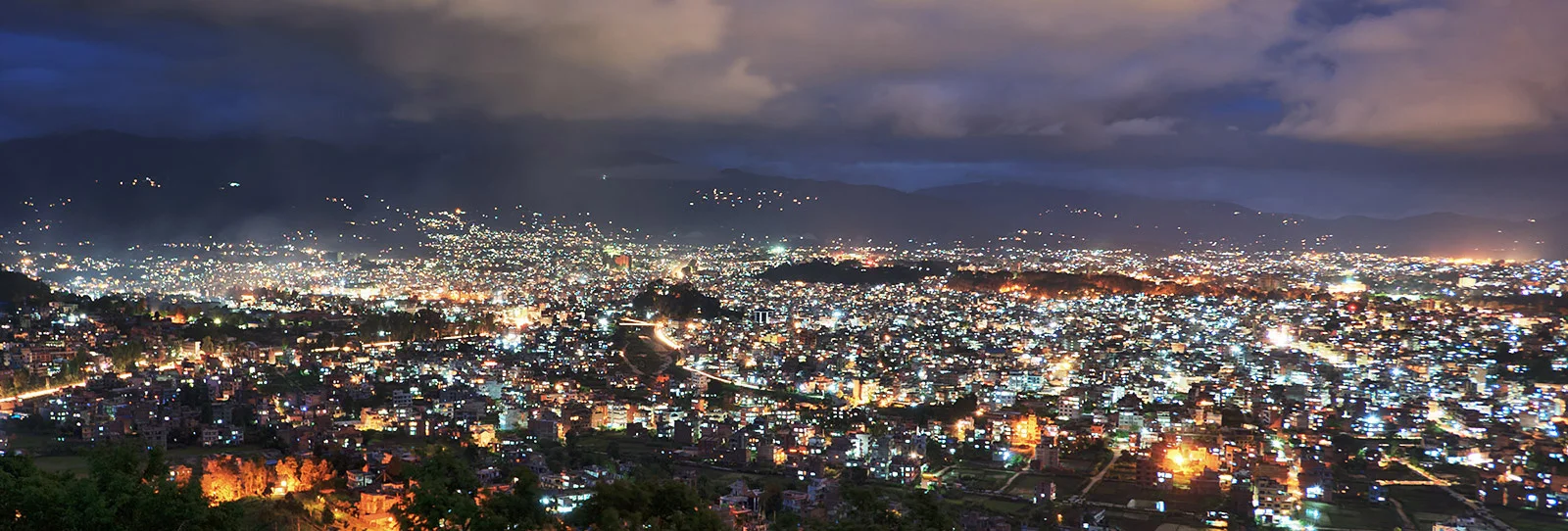
The Newar culture thrives in the cradle of the Kathmandu Valley, where its origins can be traced back to the Licchavi and Malla periods, spanning several centuries. These ancient civilizations left an indelible mark on Newar culture, influencing its language, architecture, arts, rituals, and social structure. The amalgamation of indigenous traditions, Hinduism, Buddhism, and tantric practices has shaped the diverse and inclusive fabric of Newar society.
Artistic Excellence
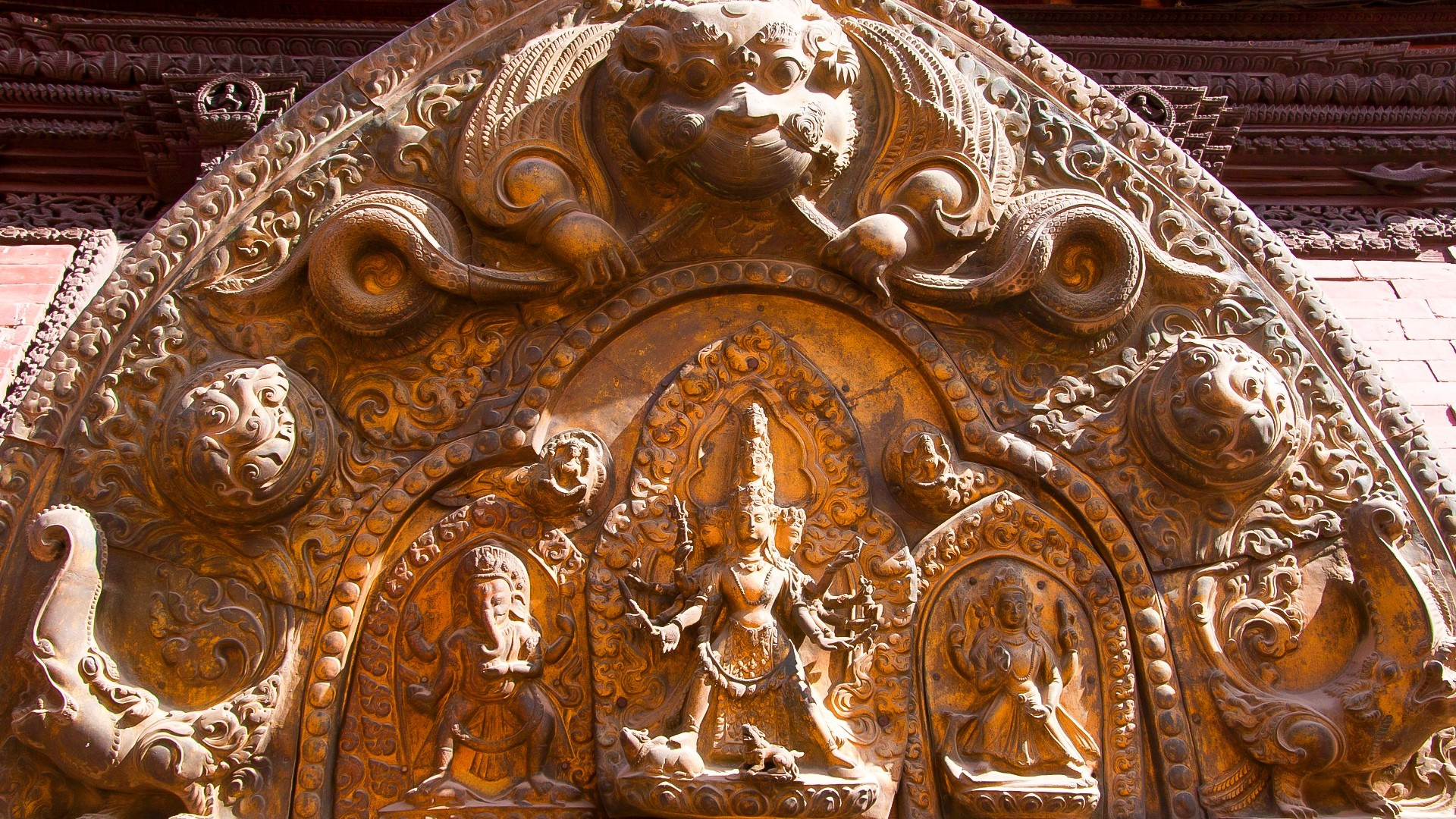
Newar culture is renowned for its artistic excellence, prominently showcased in various forms such as wood and stone carving, metalwork, painting, pottery, and textile weaving. The intricate craftsmanship and attention to detail exemplify the Newar people's deep-rooted creativity and aesthetics. Traditional art forms like Paubha painting, clay idols, and woodcarvings are not only visually captivating but also imbued with spiritual and cultural significance.
Festivals and Rituals
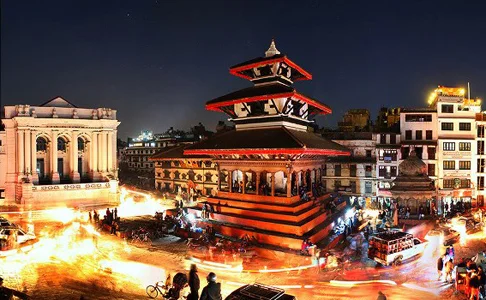
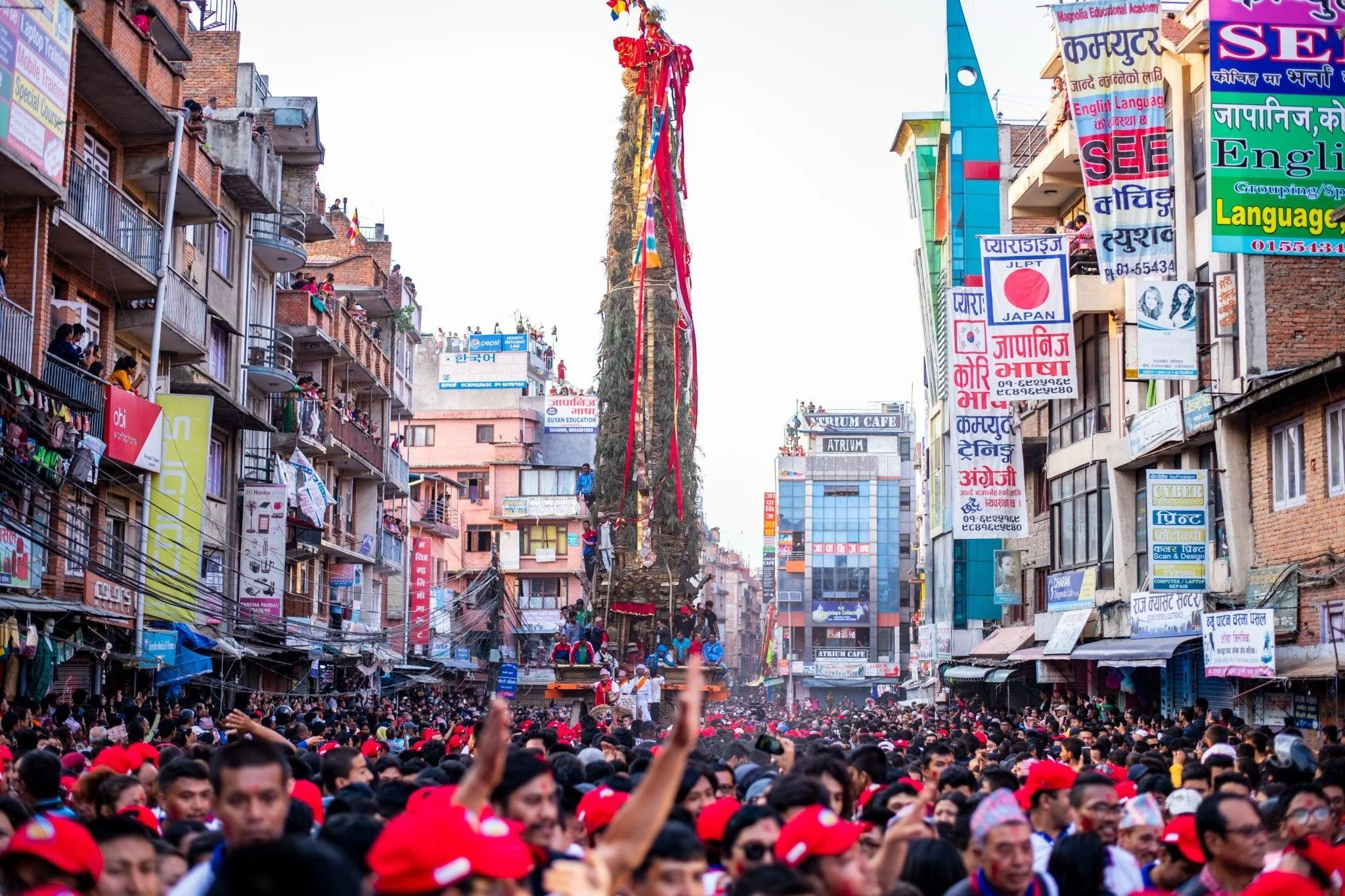
Newar culture is synonymous with vibrant festivals and rituals that reflect a harmonious fusion of Hindu and Buddhist traditions. Celebrations like Bisket Jatra, Indra Jatra, and Gai Jatra provide a platform for communal bonding, spiritual rejuvenation, and cultural exchange. These festivities serve as a gateway to the Newar world, where ancient myths, legends, and religious beliefs come alive in vivid displays of music, dance, processions, and rituals.
Religious Syncretism
One of the distinguishing features of Newar culture is its religious syncretism, blending elements of Hinduism and Buddhism seamlessly. The historical interplay between these two religions has given rise to unique practices, such as the worship of both Hindu and Buddhist deities within the same household or temple. This coexistence not only symbolizes tolerance and inclusivity but also showcases the adaptability and open-mindedness of the Newar people.
Socioeconomic Structure
The Newar society has a distinct socioeconomic structure known as the "Shrestha" system. This hierarchical framework categorizes individuals into different occupational groups, each with its specific roles and responsibilities. While this system has faced criticism for perpetuating inequalities, it also highlights the specialized skills and interdependence among the various groups. Recognizing the contributions of each segment fosters social cohesion and ensures the preservation of traditional crafts and knowledge.
Challenges and Preservation Efforts
In the face of modernization, urbanization, and globalization, the Newar culture confronts challenges that threaten its preservation. The rapid urban development in the Kathmandu Valley poses a risk to historical architecture and cultural landmarks. Additionally, the younger generation's exposure to external influences brings forth the need to strike a balance between preserving traditions and embracing change.
To safeguard the Newar culture, concerted efforts are being made by local communities, scholars, and organizations. Initiatives such as cultural festivals, museums, documentation projects, and educational programs are vital in nurturing a sense of pride, awareness, and continuity. Moreover, encouraging the transmission of traditional knowledge from elders to the younger generation plays a pivotal role in maintaining the cultural fabric of the Newar community.
The Newar culture stands as a testament to the richness and resilience of Nepal's heritage. Its art, festivals, religious syncretism, and socioeconomic structure are all integral aspects that contribute to its unique identity. By exploring multiple perspectives, we gain a comprehensive understanding of the Newar culture and recognize the importance of its preservation.
As we navigate an increasingly interconnected world, it is crucial to appreciate and celebrate cultural diversity. Let us embrace the tapestry of the Newar culture, recognizing its invaluable contributions to our shared global heritage. Through preservation, support, and a deeper understanding, we can ensure the Newar culture thrives for generations to come.
POPULAR ITINERARIES
SIMILAR POSTS

Spiritual Healing in Nepal: Unveiling Timeless Wisdom
Nepal's spiritual healing practices offer seekers a transformative journey amidst the sacred Himalayas. Rooted in ancient wisdom, energy healing, sound therapy, and pilgrimage to sacred sites, these practices restore balance, harmony, and inner transformation, fostering a profound connection between mind, body, and spirit.
Nepal, a land of awe-inspiring mountains and vibrant cultural heritage, holds within its mystical landscapes a treasure trove of ancient spiritual healing practices. Nestled in the lap of the Himalayas, this enchanting country has long been a sanctuary for seekers of spiritual wisdom and healing. With its rich tapestry of diverse spiritual traditions, Nepal offers a profound and transformative journey for those who embark on the path of spiritual healing. Join us as we unveil the captivating world of spiritual healing practices in Nepal, where ancient wisdom meets modern seekers, igniting a flame of restoration, renewal, and profound inner transformation.
The Sacred Himalayas: Nurturing the Soul's Journey
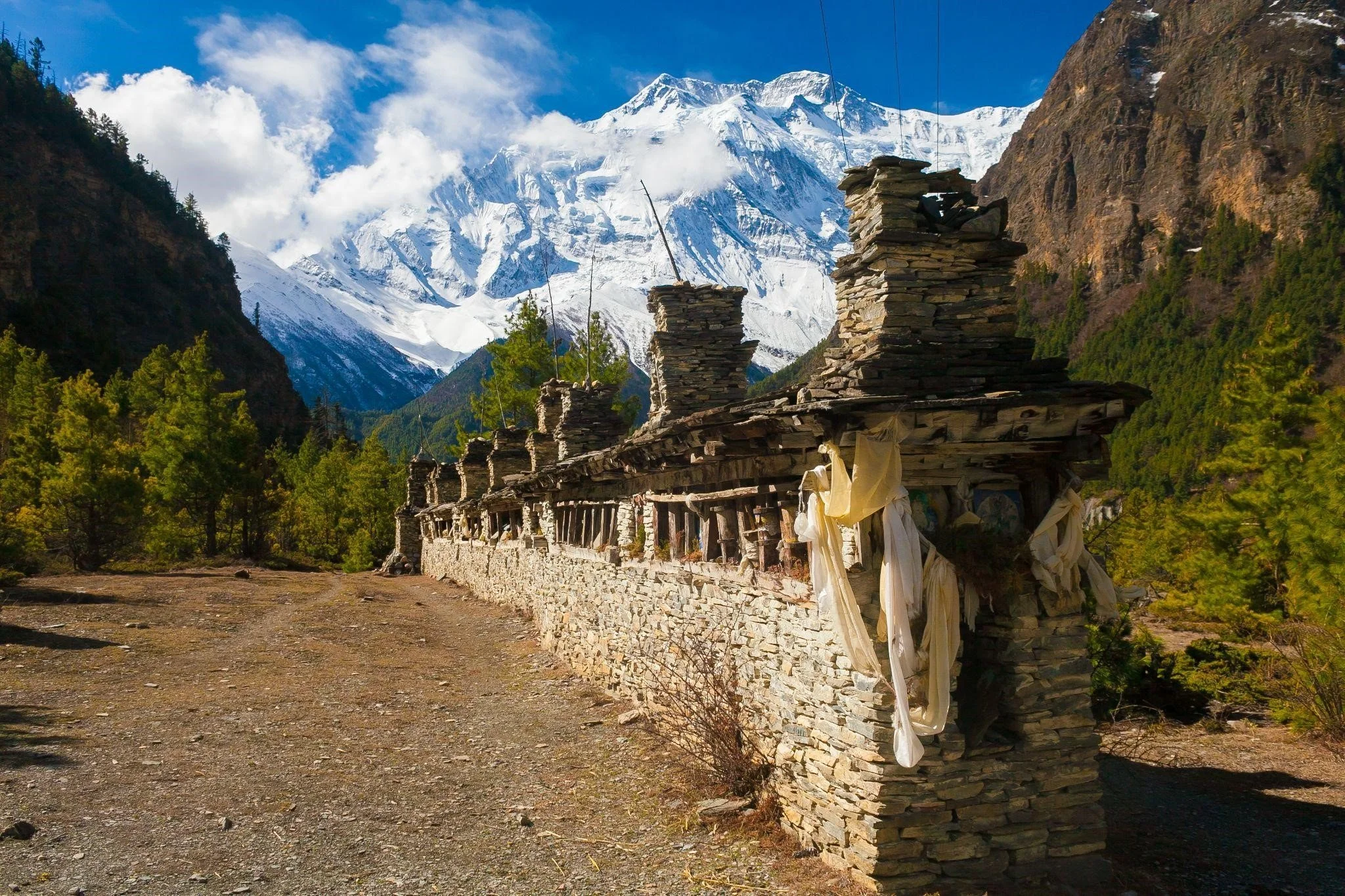
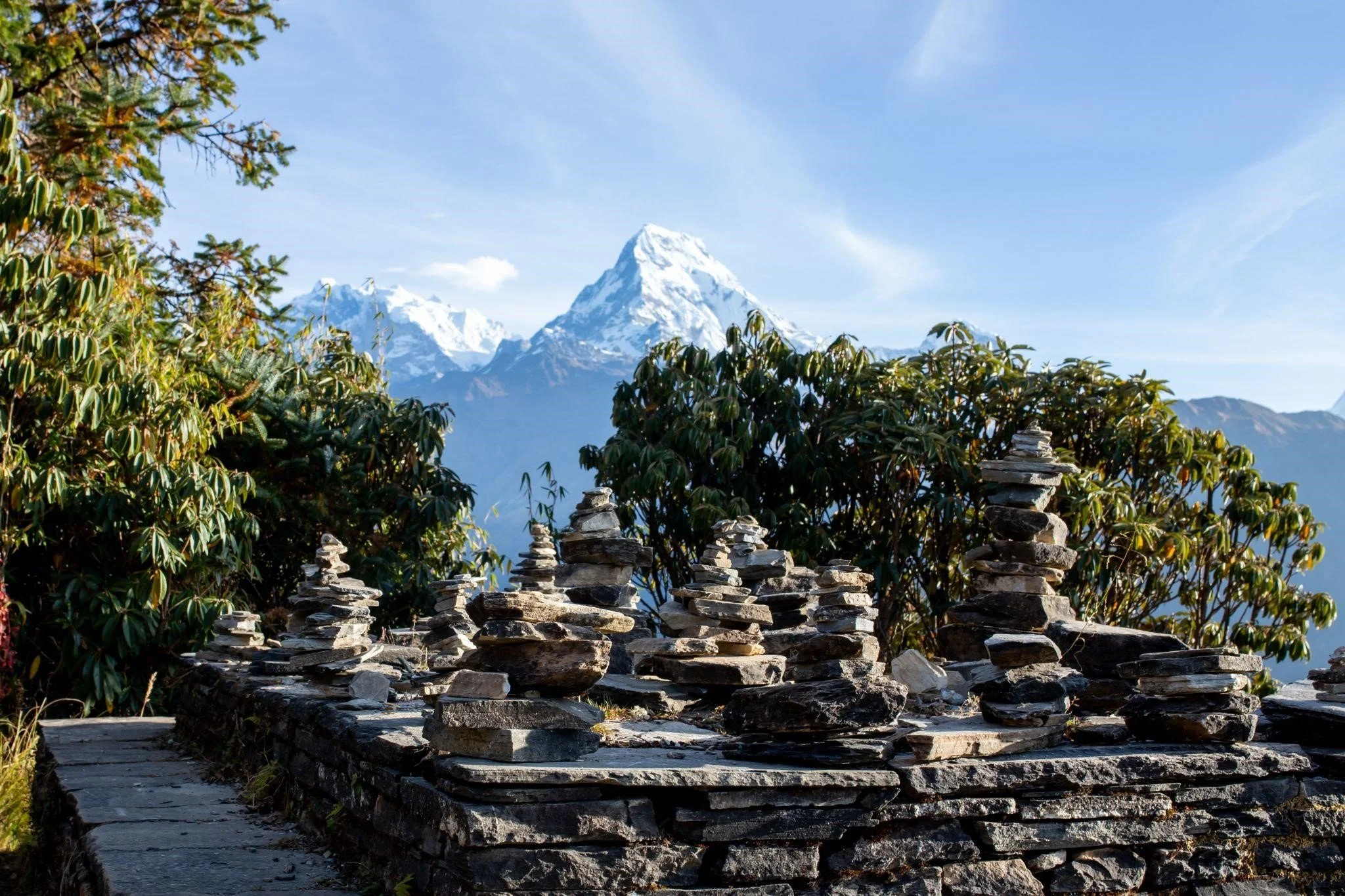
Nepal's majestic Himalayan range serves as a gateway to spiritual awakening and healing. The towering peaks, shrouded in an ethereal aura, have long been revered as dwelling places of gods and goddesses. Here, amidst the pristine beauty of nature, seekers are drawn to meditate, contemplate, and immerse themselves in the healing energies that permeate the mountains. The Himalayas offer an ideal environment for self-reflection, inner exploration, and connecting with the deeper aspects of our being.
Ancient Wisdom: The Heartbeat of Spiritual Healing
At the heart of Nepal's spiritual healing practices lies a rich tapestry of ancient wisdom and teachings. Rooted in diverse spiritual traditions like Hinduism, Buddhism, and Shamanism, these practices have been passed down through generations, embodying the essence of spirituality and healing. From the sacred rituals of Pujas and Homas to the profound wisdom of Buddhist meditation and mantra chanting, Nepal offers a vast array of tools and techniques to facilitate healing on a holistic level.
Energy Healing: Restoring Balance and Harmony
Energy healing forms a cornerstone of spiritual healing practices in Nepal. Traditional healers, known as "jhankris," possess a deep understanding of the subtle energy systems that govern our physical, mental, and emotional well-being. Using techniques such as Prana healing, Reiki, and Chakra balancing, these practitioners channel healing energy to restore harmony and balance within the individual. The healing touch of these ancient modalities helps release stagnant energy, alleviate physical ailments, and promote overall well-being.
Sound Therapy: Harmonizing the Soul
The power of sound in healing is deeply ingrained in Nepal's spiritual traditions. Sacred instruments like the singing bowls, bells, and drums are used to create resonant vibrations that penetrate deep into the energetic fabric of our being. The entrancing melodies and harmonious frequencies of these instruments have a profound impact on our consciousness, inducing deep relaxation, releasing emotional blockages, and facilitating healing at the cellular level. Sound therapy has become increasingly popular in Nepal as seekers recognize its transformative potential.
Pilgrimage and Sacred Sites: Embarking on a Soulful Journey
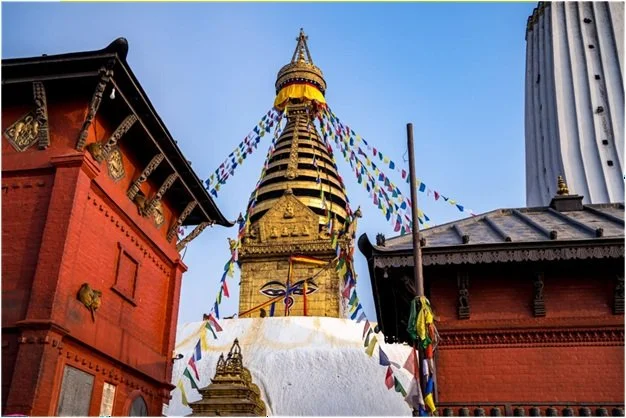
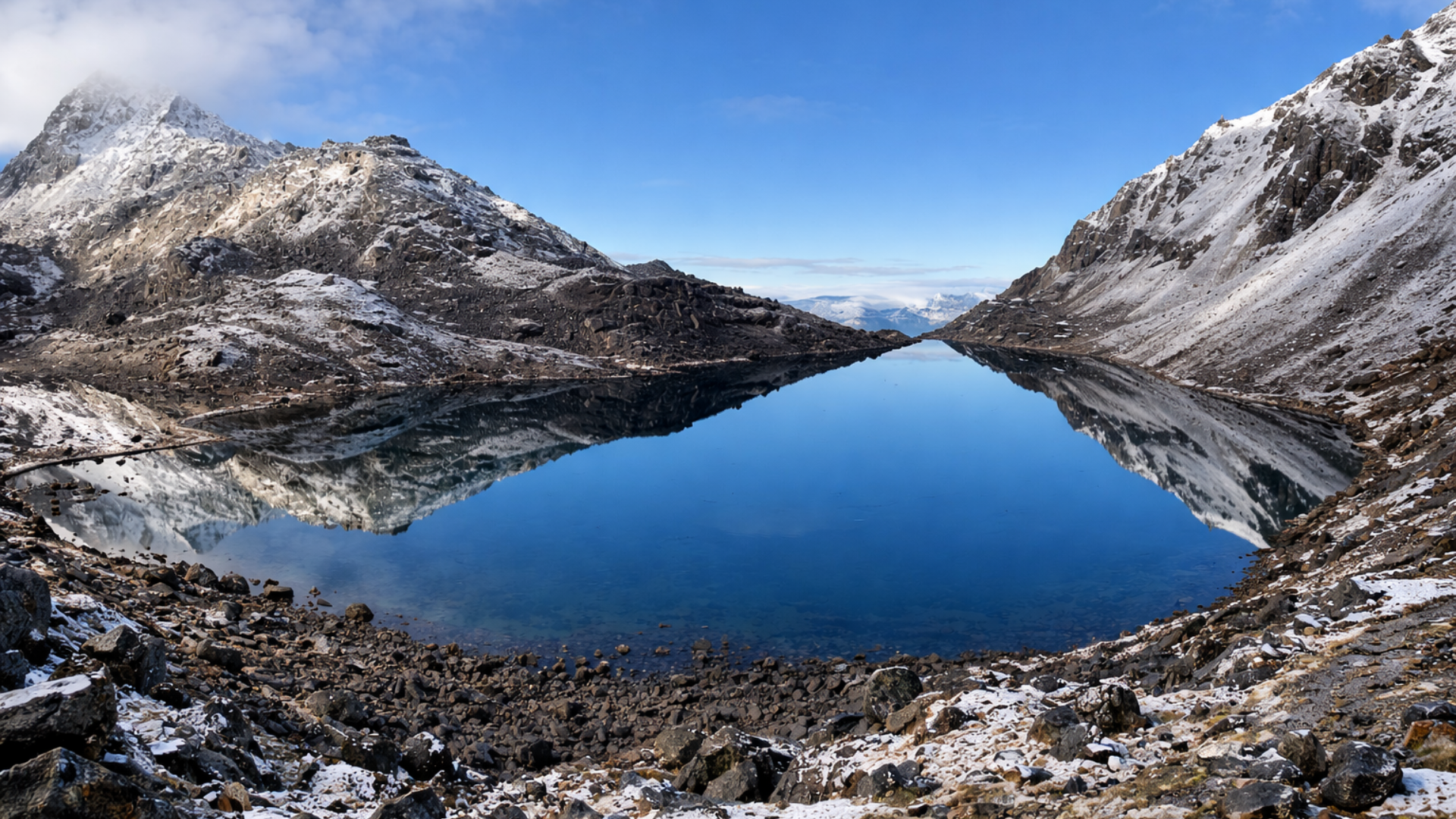
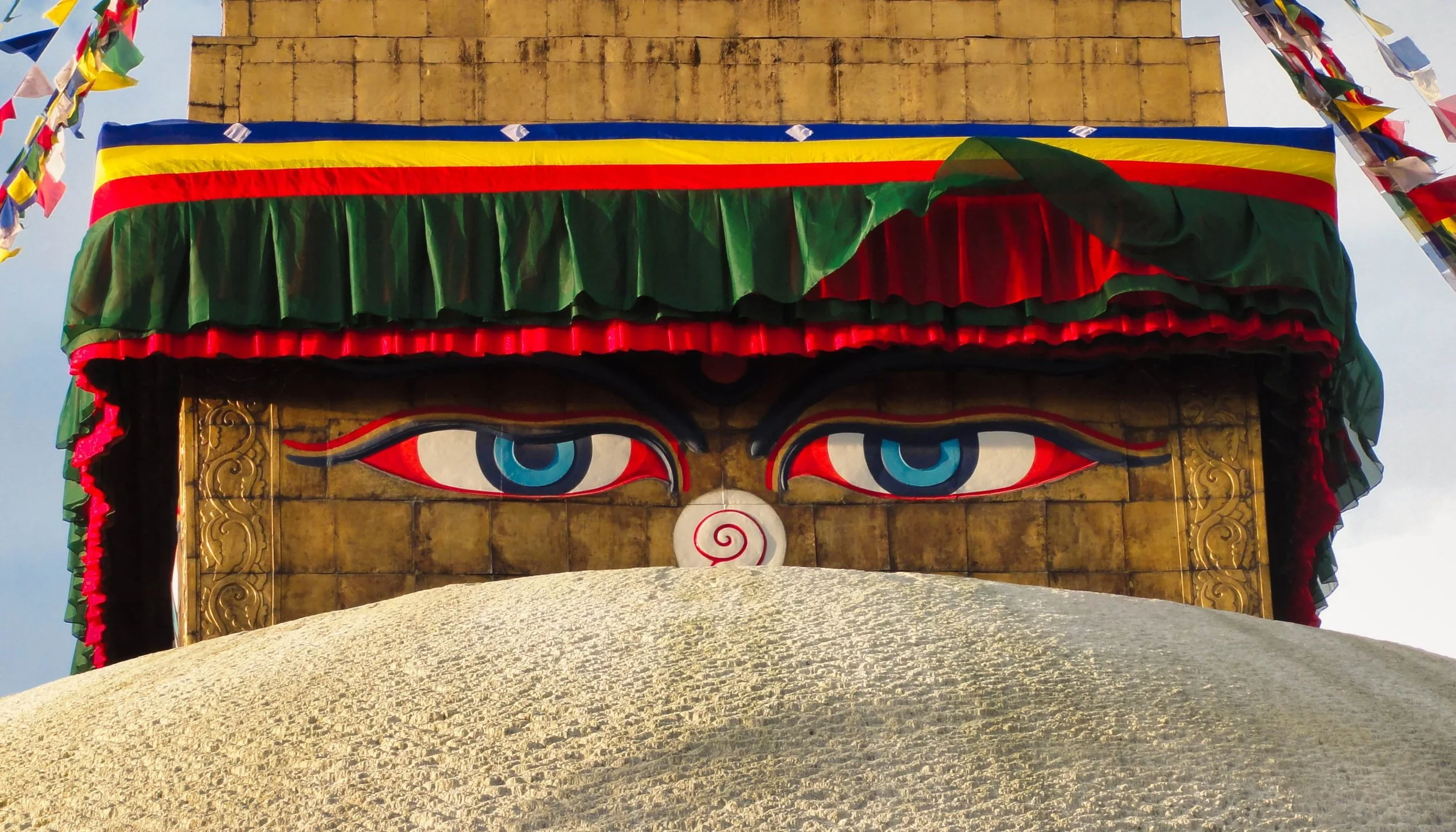
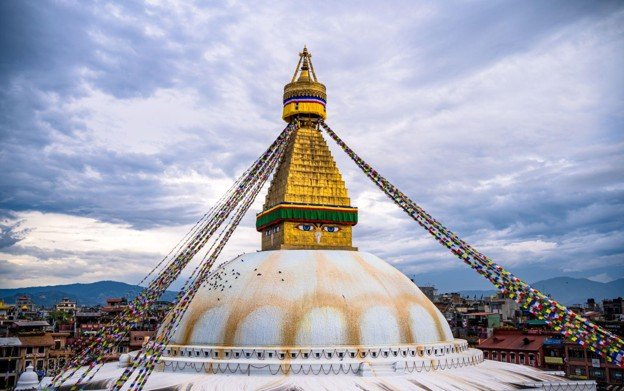
Nepal is blessed with a multitude of sacred sites that hold immense spiritual significance. From the ancient temples of Kathmandu Valley, such as Pashupatinath and Boudhanath, to the sacred lakes of Gosaikunda and Rara, these pilgrimage destinations offer seekers a unique opportunity to immerse themselves in the vibrancy of Nepal's spiritual heritage. The energy of these sacred sites acts as a catalyst for personal transformation and serves as a powerful backdrop for spiritual healing practices, inspiring seekers to delve deeper into their own inner landscapes.
Nepal, with its rich spiritual tapestry and awe-inspiring landscapes, provides a fertile ground for seekers of spiritual healing to embark on a transformative journey of self-discovery and restoration. The ancient wisdom, energy healing practices, sound therapy, and sacred sites intertwine to create a profound and holistic approach to healing. As seekers immerse themselves in Nepal's spiritual embrace, they discover the interconnectedness of mind, body, and spirit and experience a profound sense of inner harmony. The land of Nepal beckons with open arms, inviting all who seek solace, restoration, and enlightenment to embark on a soulful journey of spiritual healing.
As we embrace the transformative path of spiritual healing in Nepal, we are enveloped by a persuasive and warm embrace of wisdom that transcends time and space. Let us weave together the threads of Reiki, Tibetan Buddhist healing, shamanic rituals, Ayurveda, and yoga, merging them into our own unique tapestry of well-being. In this captivating journey, may we find solace, harmony, and renewed purpose, as we honor the interconnectedness of our mind, body, and spirit.
POPULAR ITINERARIES
SIMILAR POSTS
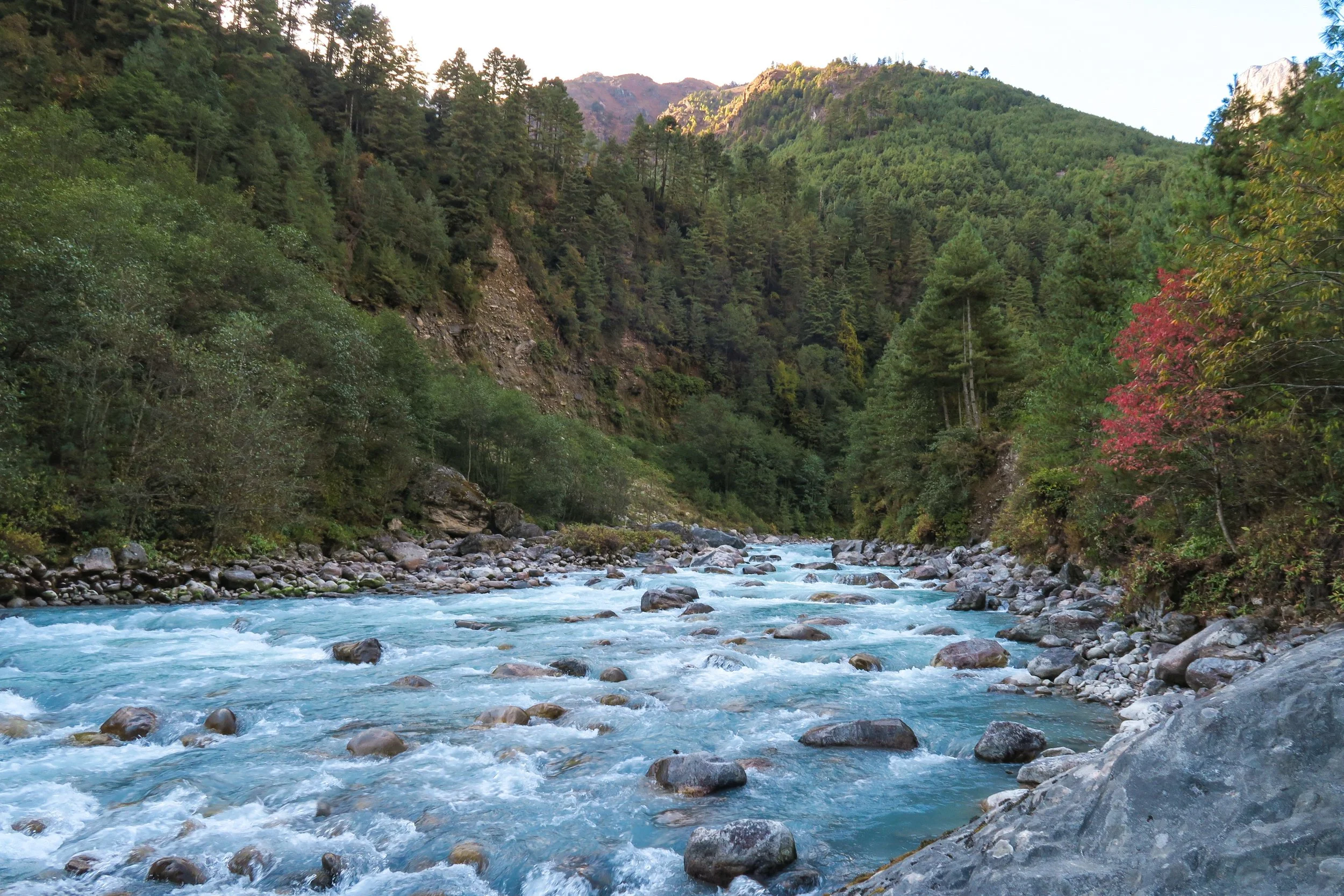
Eastern Nepal: A Wonderous Gem
Nestled amidst the majestic Himalayas, Eastern Nepal beckons adventurers and wanderers alike with its unparalleled beauty and rich cultural tapestry. This enchanting region, often overshadowed by its western counterpart, holds a treasure trove of hidden gems waiting to be discovered by intrepid travelers.
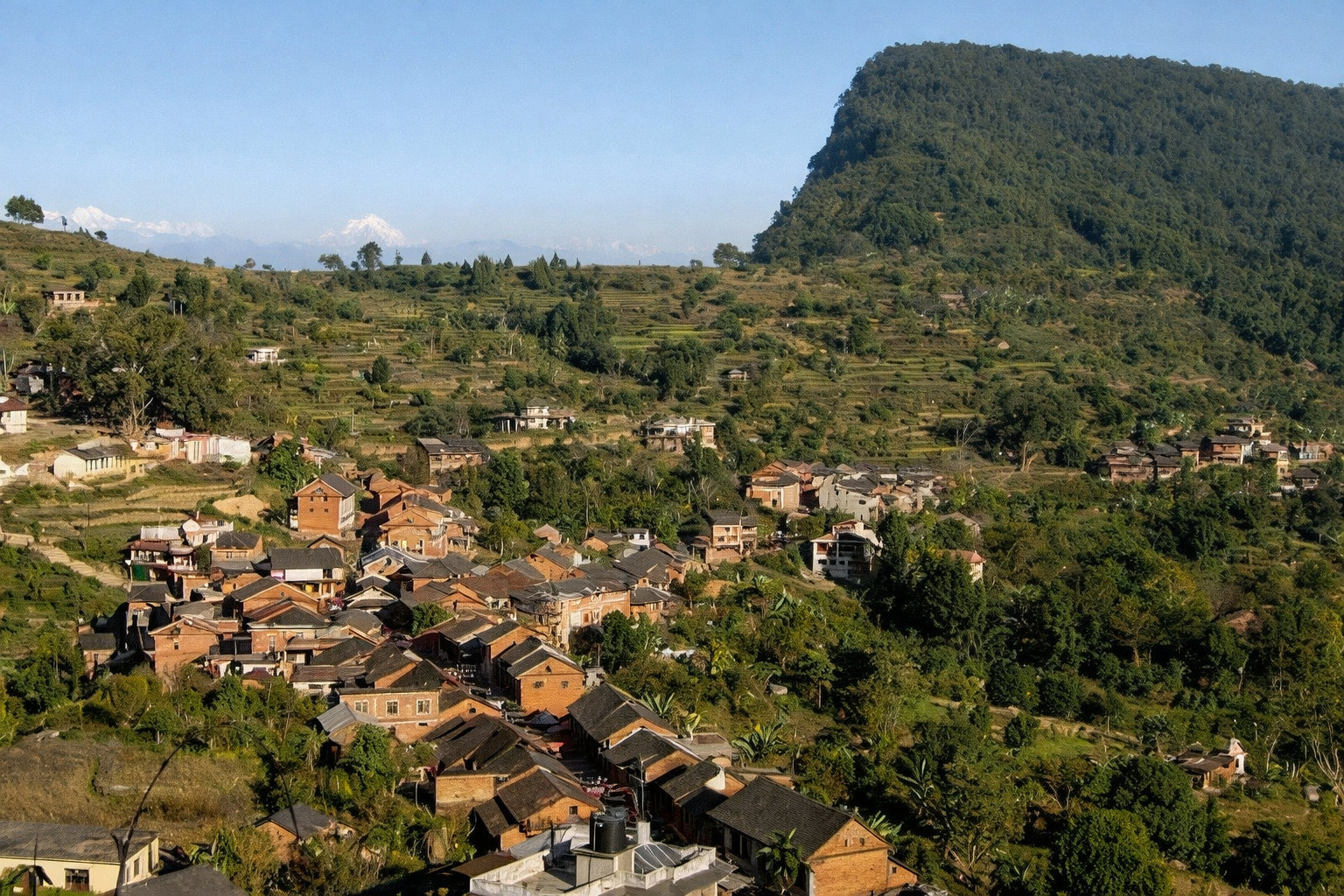
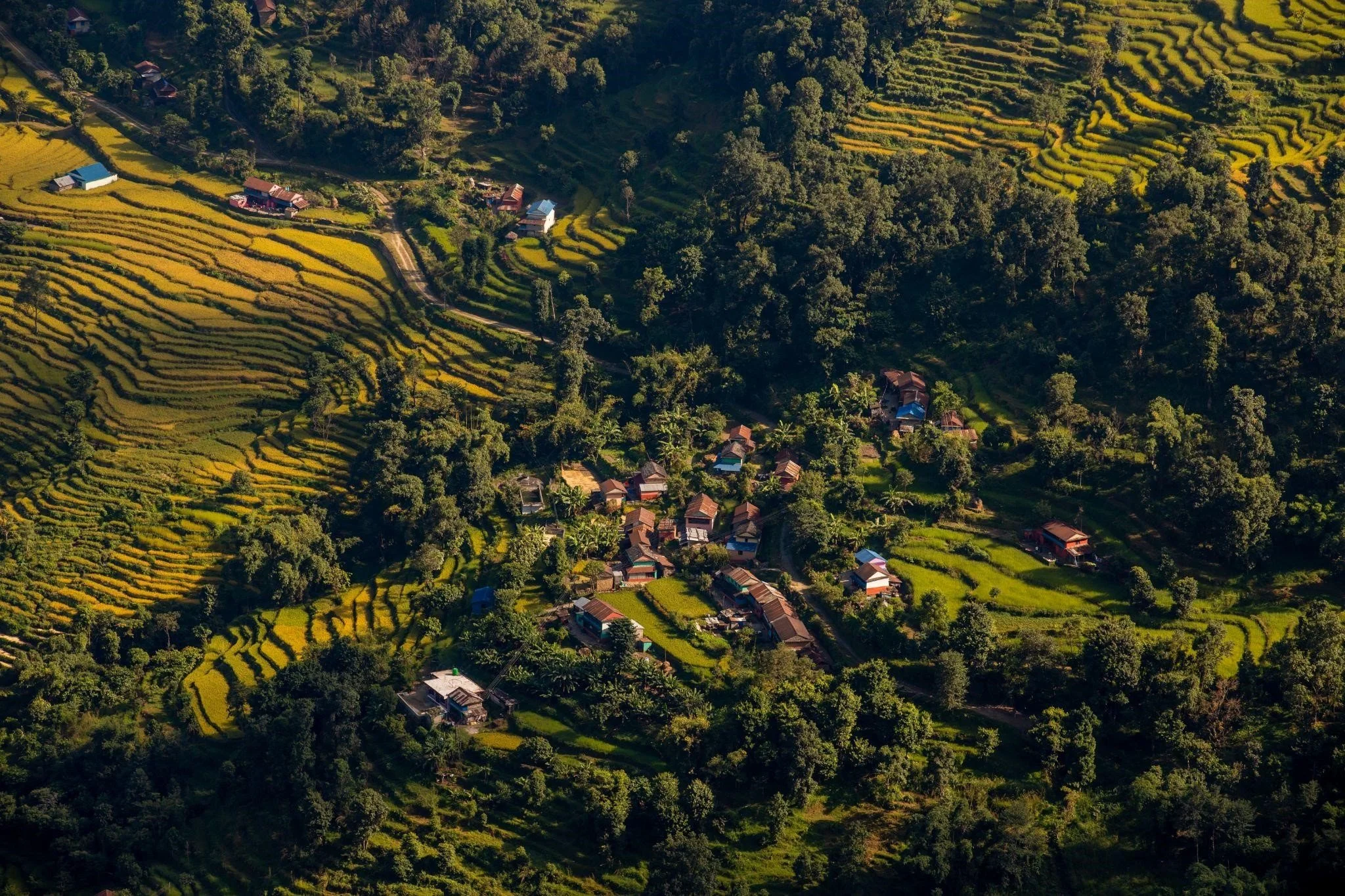
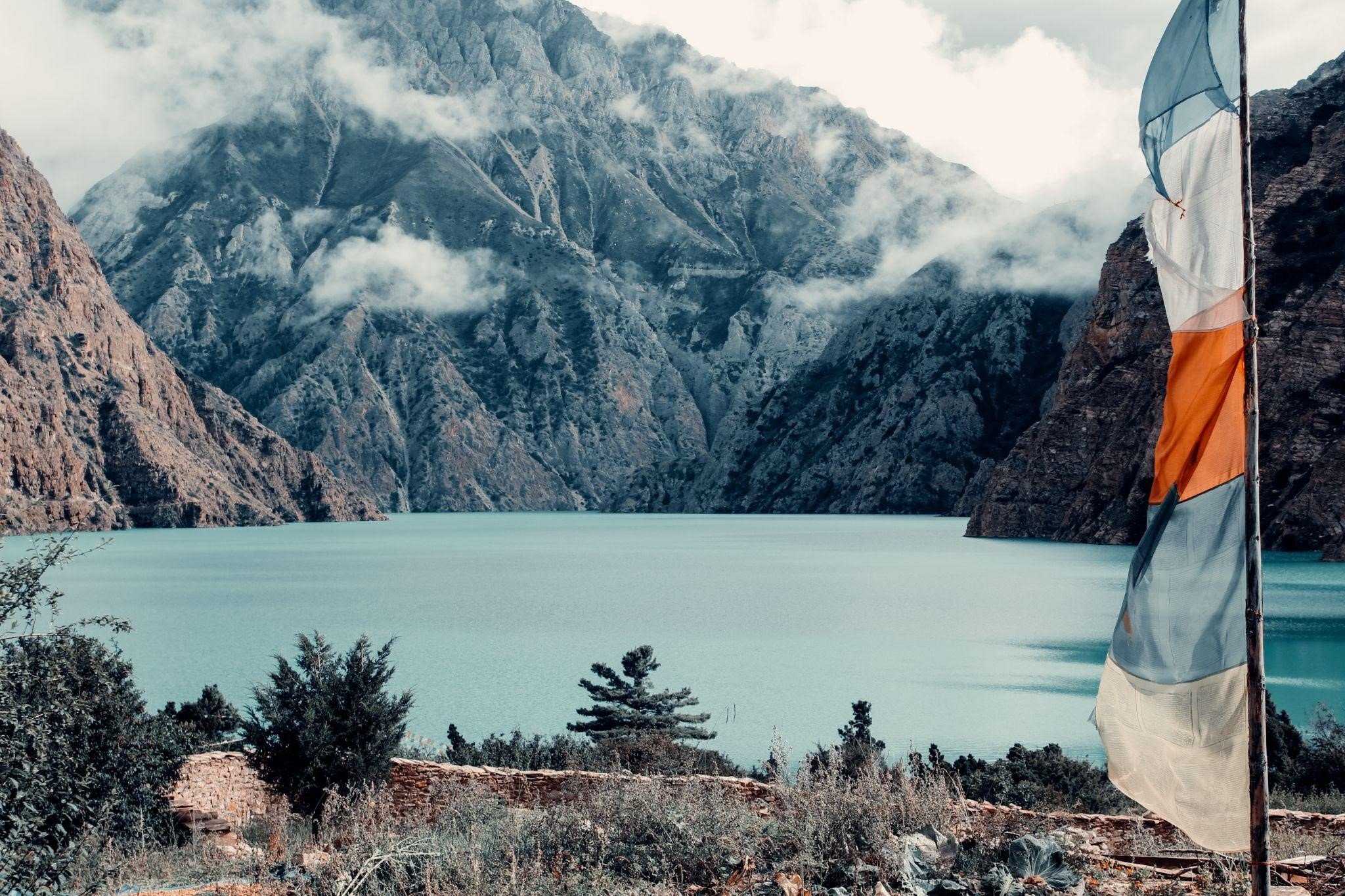
Picture lush green valleys dotted with vibrant terraced fields, where cascading waterfalls create a symphony of nature's melody. Imagine being surrounded by snow-capped peaks that pierce the sky, their ethereal beauty leaving you awestruck. Eastern Nepal, with its diverse topography and untamed wilderness, captivates the senses and offers an escape into a world where time seems to stand still.
Beyond its awe-inspiring landscapes, Eastern Nepal boasts a cultural heritage that is as intriguing as it is diverse. The region is home to a mosaic of ethnic groups, each with their own distinct traditions, languages, and festivals. From the warm hospitality of the Sherpas in the Solu-Khumbu region to the colorful celebrations of the Rai and Limbu communities, every step taken in Eastern Nepal unveils a fascinating story waiting to be told.
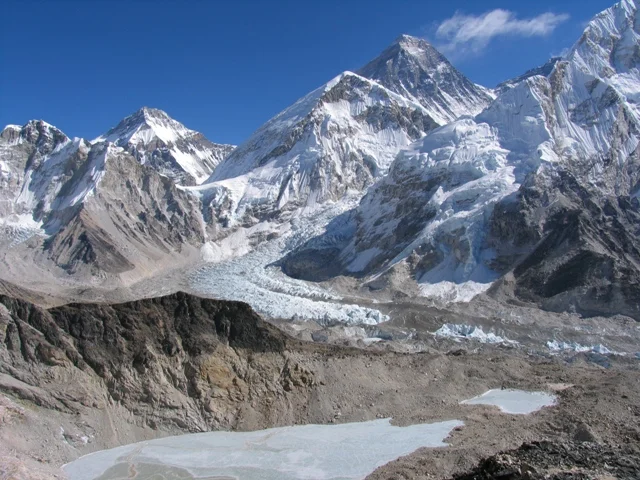
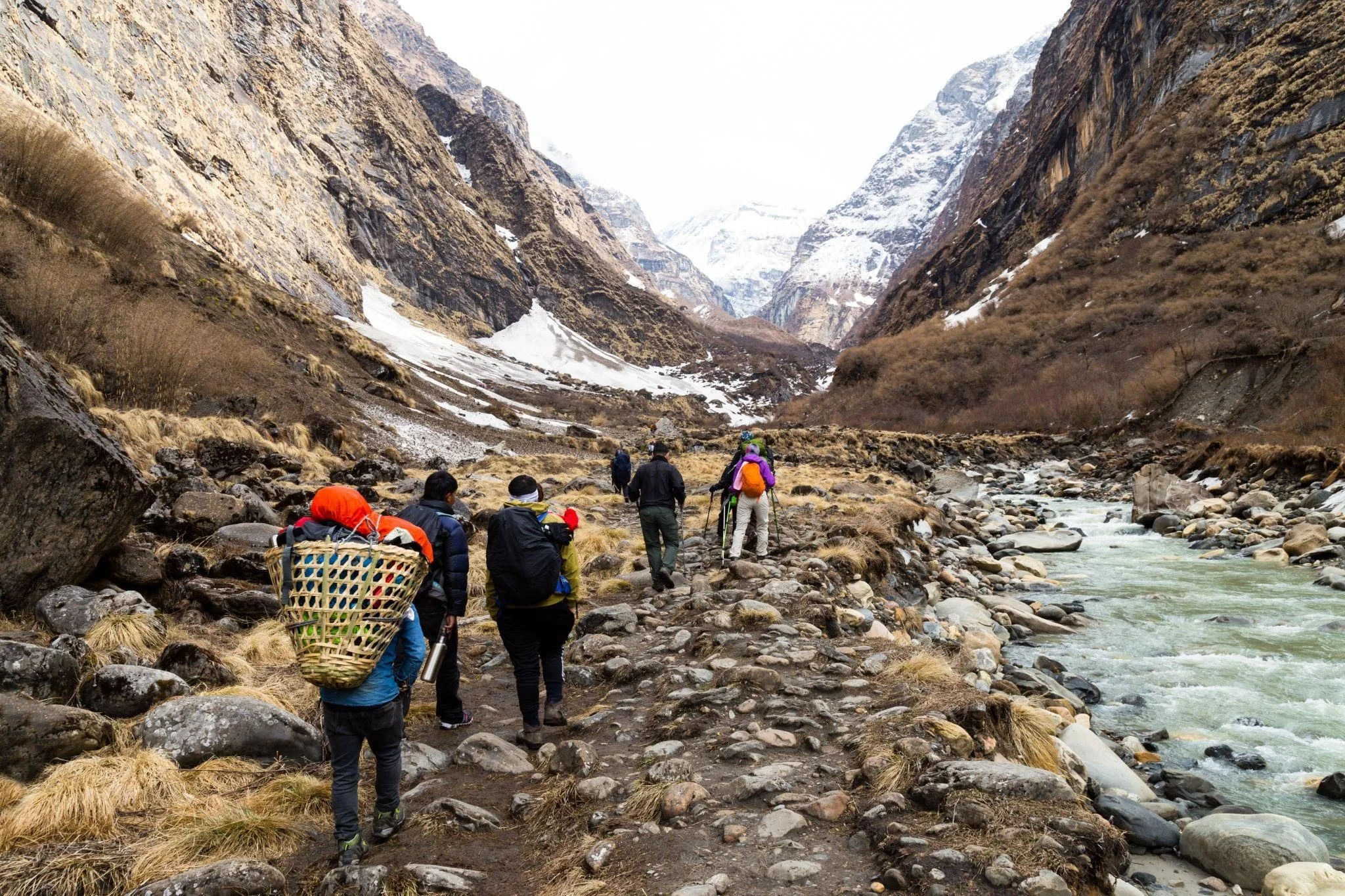
For those seeking adventure, Eastern Nepal is a haven. The region is renowned for its breathtaking treks, including the legendary Everest Base Camp trek and the challenging but rewarding Kanchenjunga Circuit. These trails take you through remote villages, verdant forests, and high-altitude passes, granting glimpses into the lives of the resilient communities that call this rugged terrain their home.
1. Everest Base Camp: Conquer the Roof of the World
Prepare to be awe-struck as you set foot on the legendary Everest Base Camp, a mecca for mountaineers and adventurers alike. Embark on a thrilling journey through rugged terrains, snow-covered trails, and pristine valleys. The sheer magnitude of the Himalayas will leave you breathless as you trek amidst towering peaks and witness the awe-inspiring grandeur of Mount Everest. Brace yourself for an adventure that will test your limits and reward you with unforgettable memories.
2. Kanchenjunga Circuit: Dare to Explore the Hidden Gem
For the ultimate off-the-beaten-path experience, the Kanchenjunga Circuit is a must-visit destination in Eastern Nepal. This challenging yet immensely rewarding trek takes you deep into the heart of the world's third-highest mountain. Traverse through remote landscapes, untouched by the modern world, where vibrant rhododendron forests, high-altitude lakes, and dramatic glaciers will keep your adrenaline pumping. Immerse yourself in the raw beauty of this hidden gem, where few have ventured before.
3. Namche Bazaar: Dive into Sherpa Culture and Himalayan Hospitality
Nestled in the Khumbu region, Namche Bazaar is the gateway to the Everest region and an adventure lover's paradise. Surrounded by breathtaking peaks, this vibrant Sherpa town offers a unique blend of cultural immersion and natural beauty. Explore colorful markets, teahouses, and monasteries as you soak in the warm hospitality of the Sherpa community. Challenge yourself with acclimatization hikes to nearby viewpoints, where the panorama of Everest and its neighboring peaks will leave you spellbound.
4. Ilam: Discover the Tea Capital of Nepal
Hidden in the eastern hills, Ilam is a tranquil paradise and a haven for tea enthusiasts. Embark on a scenic journey through verdant tea gardens, where the aroma of freshly plucked leaves fills the air. Immerse yourself in the tea-making process as you visit local estates and witness the artistry behind producing some of Nepal's finest teas. With its cool climate and picturesque landscapes, Ilam offers a serene retreat amidst nature's bounty.
5. Janakpur: Step into a Mythical Wonderland
Unleash your inner explorer as you venture into the mythological city of Janakpur, steeped in history and spirituality. This vibrant hub of ancient Hindu culture is believed to be the birthplace of Sita, the wife of Lord Rama. Marvel at intricately designed temples, particularly the revered Janaki Mandir, adorned with exquisite architecture and vibrant colors. Immerse yourself in the local traditions and festivals, where vibrant processions and cultural performances will transport you to a mythical wonderland.
So, whether you seek the adrenaline rush of adventure, the serenity of spiritual enlightenment, or simply the joy of immersing yourself in nature's grandeur, Eastern Nepal is the destination that will leave an indelible mark on your heart. Join us as we embark on a journey to uncover the wonders of this hidden gem, where nature's majesty and cultural richness converge to create an experience like no other. Eastern Nepal awaits, ready to enchant and inspire your wanderlust.
POPULAR ITINERARIES
SIMILAR POSTS
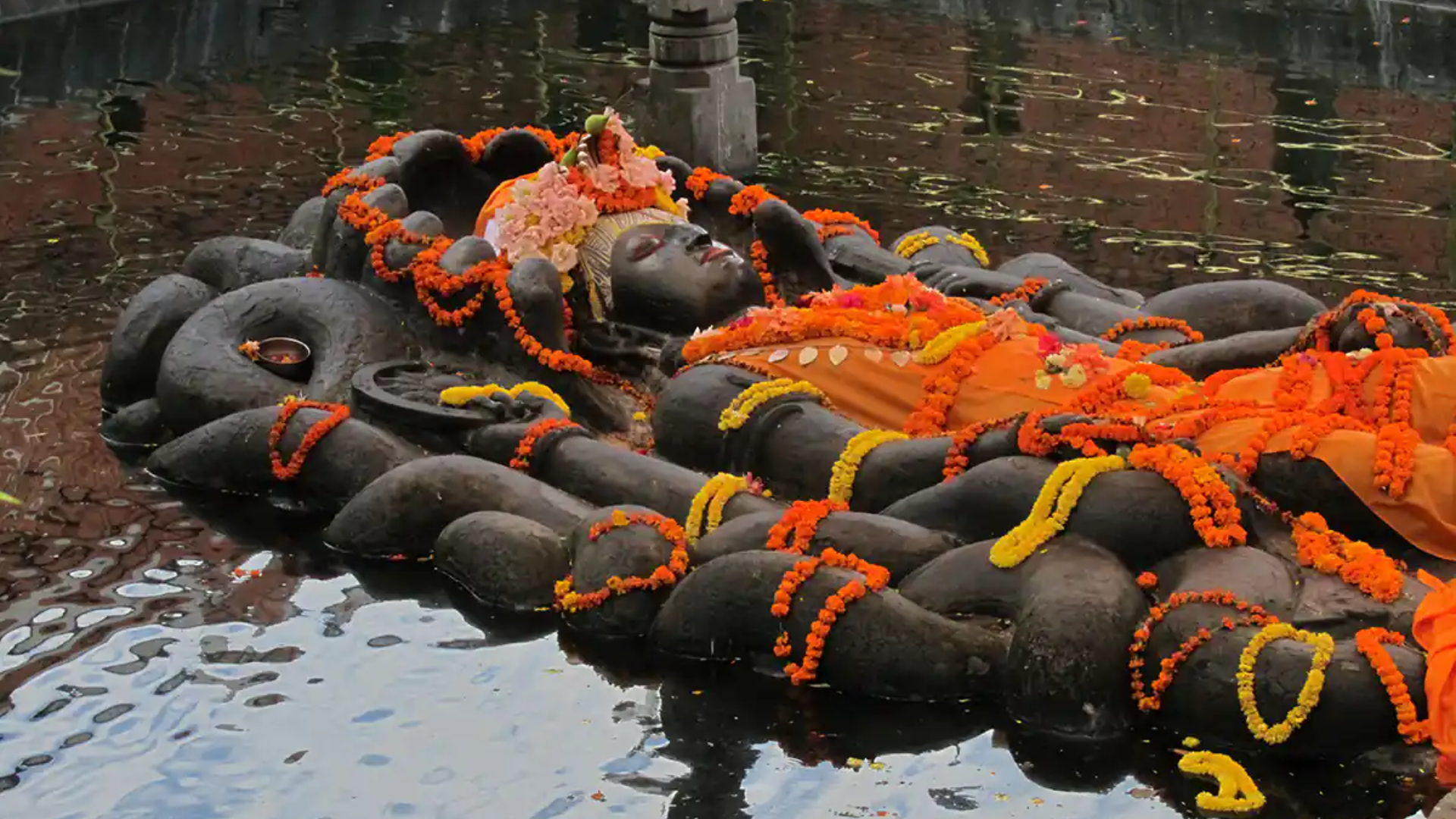
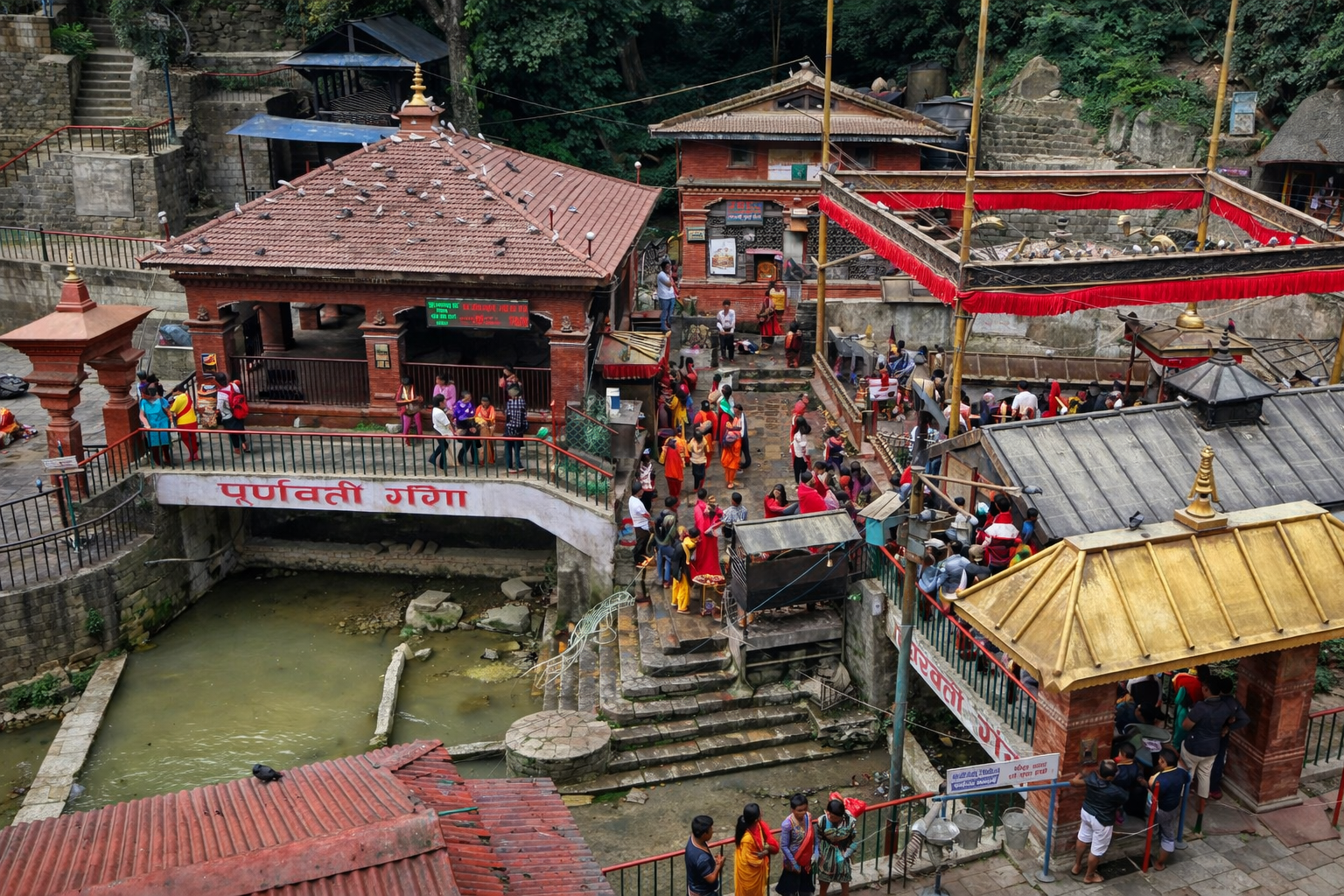
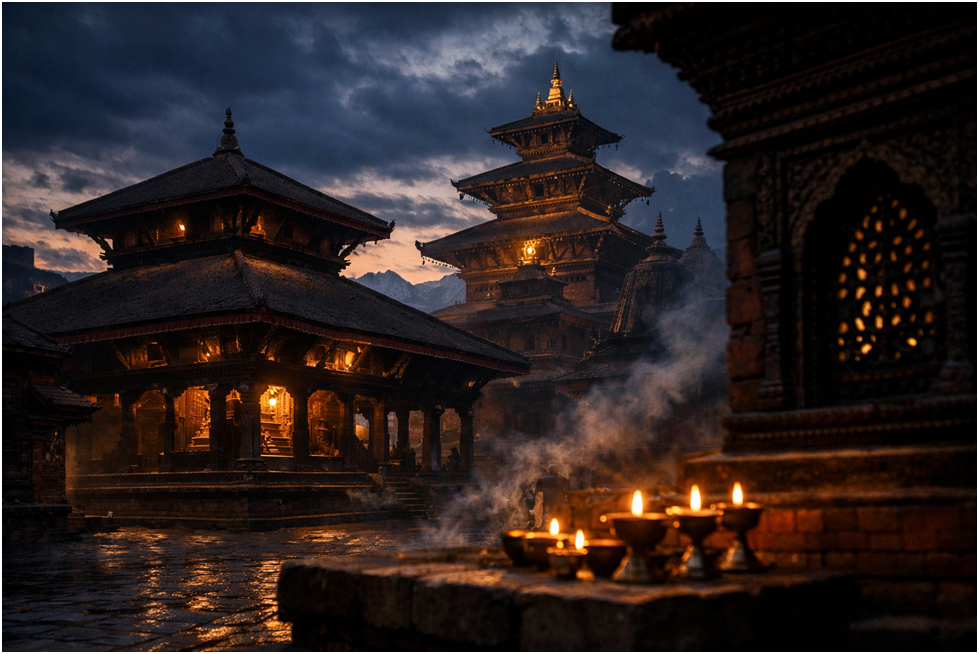
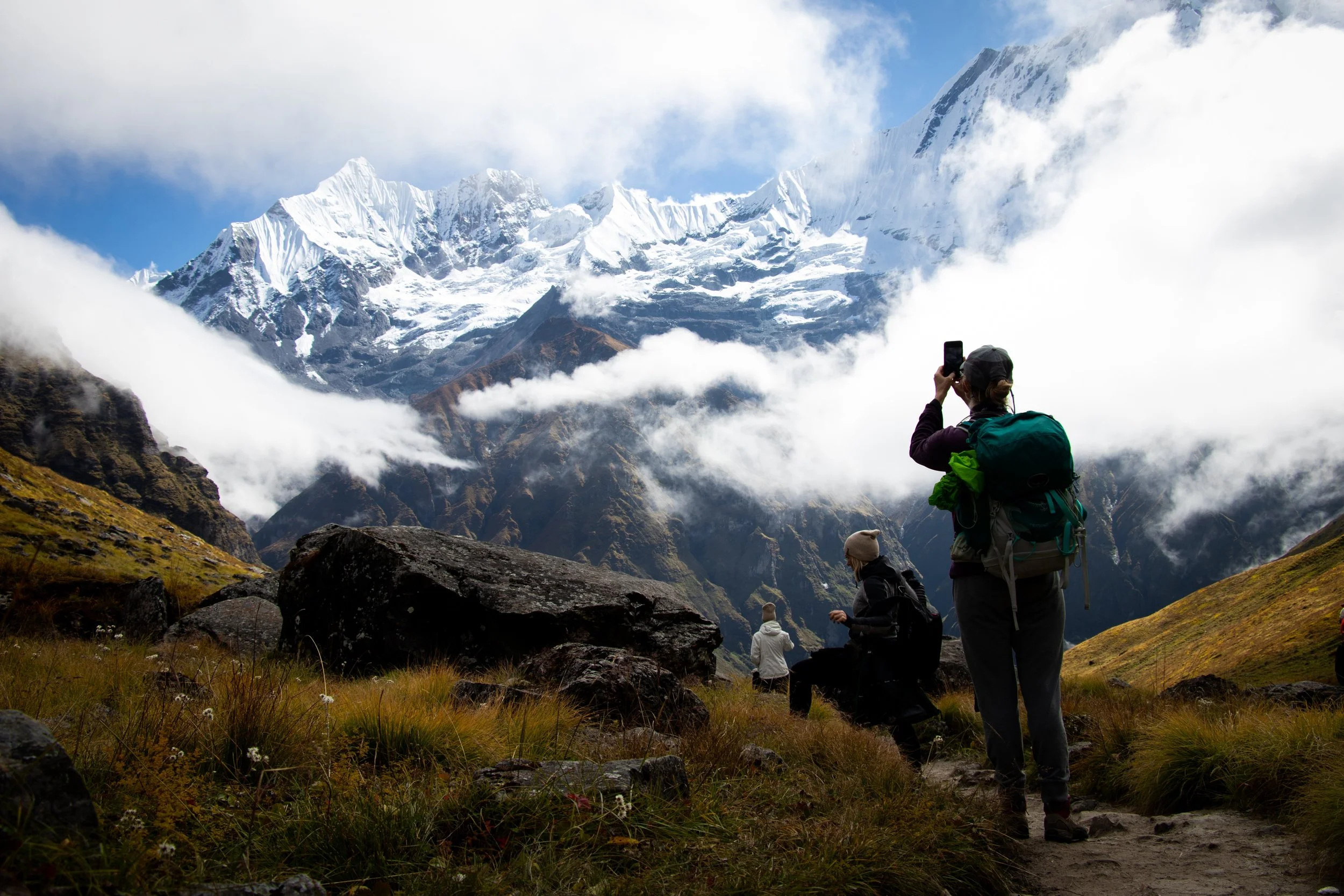
Things To Remember While Trekking in Nepal
Nepal is a paradise for trekking enthusiasts, with its towering mountains, stunning scenery, and rich cultural heritage. However, trekking in Nepal can also be challenging, with its rugged terrain and unpredictable weather conditions. In this article, we will discuss some important things to remember while trekking in Nepal to ensure a safe and enjoyable experience.
Nepal is a paradise for trekking enthusiasts, with its towering mountains, stunning scenery, and rich cultural heritage. However, trekking in Nepal can also be challenging, with its rugged terrain and unpredictable weather conditions. In this article, we will discuss some important things to remember while trekking in Nepal to ensure a safe and enjoyable experience.
Firstly, it is important to be well prepared before embarking on a trek. This includes physical fitness, appropriate gear, and a good understanding of the trekking route. Trekking in Nepal can be physically demanding, and it is important to be in good shape before starting the trek. Appropriate gear, such as sturdy hiking boots, waterproof jackets, and warm layers, is also essential. It is also recommended to carry a first aid kit and to have a good understanding of the trekking route, including altitude gain, expected weather conditions, and available facilities.
Secondly, it is important to respect the environment and local culture. Nepal is home to a diverse range of cultures and traditions, and it is important to be respectful of these. This includes dressing appropriately, avoiding littering, and being respectful of local customs and beliefs. It is also important to minimize the impact on the environment by carrying out all trash and waste and by using eco-friendly products such as reusable water bottles and biodegradable toiletries.
Finally, it is important to be aware of the risks associated with trekking in Nepal. This includes altitude sickness, harsh weather conditions, and potential natural hazards such as landslides and avalanches. It is important to be well informed and to take appropriate precautions, such as acclimatizing properly, carrying appropriate gear, and following the advice of experienced guides.
Trekking Season and Destinations in Nepal
Nepal offers a wide range of trekking destinations, each with its own unique charm and appeal. The best time to trek in Nepal is during the dry season, which runs from September to November and from March to May. During this time, the weather is mild and stable, and the skies are clear, offering breathtaking views of the surrounding mountains.
Here are five popular trekking destinations in Nepal:
Everest Base Camp Trek – This is one of the most iconic treks in Nepal, offering stunning views of the world's highest peak, Mount Everest.
Annapurna Circuit Trek – This trek takes you through some of the most diverse landscapes in Nepal, including lush forests, high-altitude deserts, and snow-capped mountains.
Langtang Valley Trek – This is a relatively short trek that takes you through the beautiful Langtang Valley, home to a wide variety of flora and fauna.
Upper Mustang Trek – This trek takes you to the remote and mystical region of Upper Mustang, where you can experience the unique culture and traditions of the local people.
Manaslu Circuit Trek – This trek takes you through the stunning Manaslu region, offering stunning views of the Manaslu mountain range and the surrounding valleys.
Hiring Guides and Porters in Nepal
Hiring a guide and/or porter in Nepal is a common practice among trekking enthusiasts. As per the recent update in regulation, solo trekking is banned in Nepal and tourists are mandated to hire a local guide,
A guide can help you navigate the trekking route, provide information on the local culture and environment, and ensure your safety. A porter, on the other hand, can help carry your gear, allowing you to focus on enjoying the trek.
Trekking in Nepal can be an unforgettable experience for those who are well-prepared and respectful of the local culture and environment. It is important to be physically fit, well-equipped, and informed about the trekking route and potential risks. The best time to trek is during the dry season, and there are many popular trekking destinations to choose from, each offering its own unique appeal.
POPULAR ITINERARIES
SIMILAR POSTS
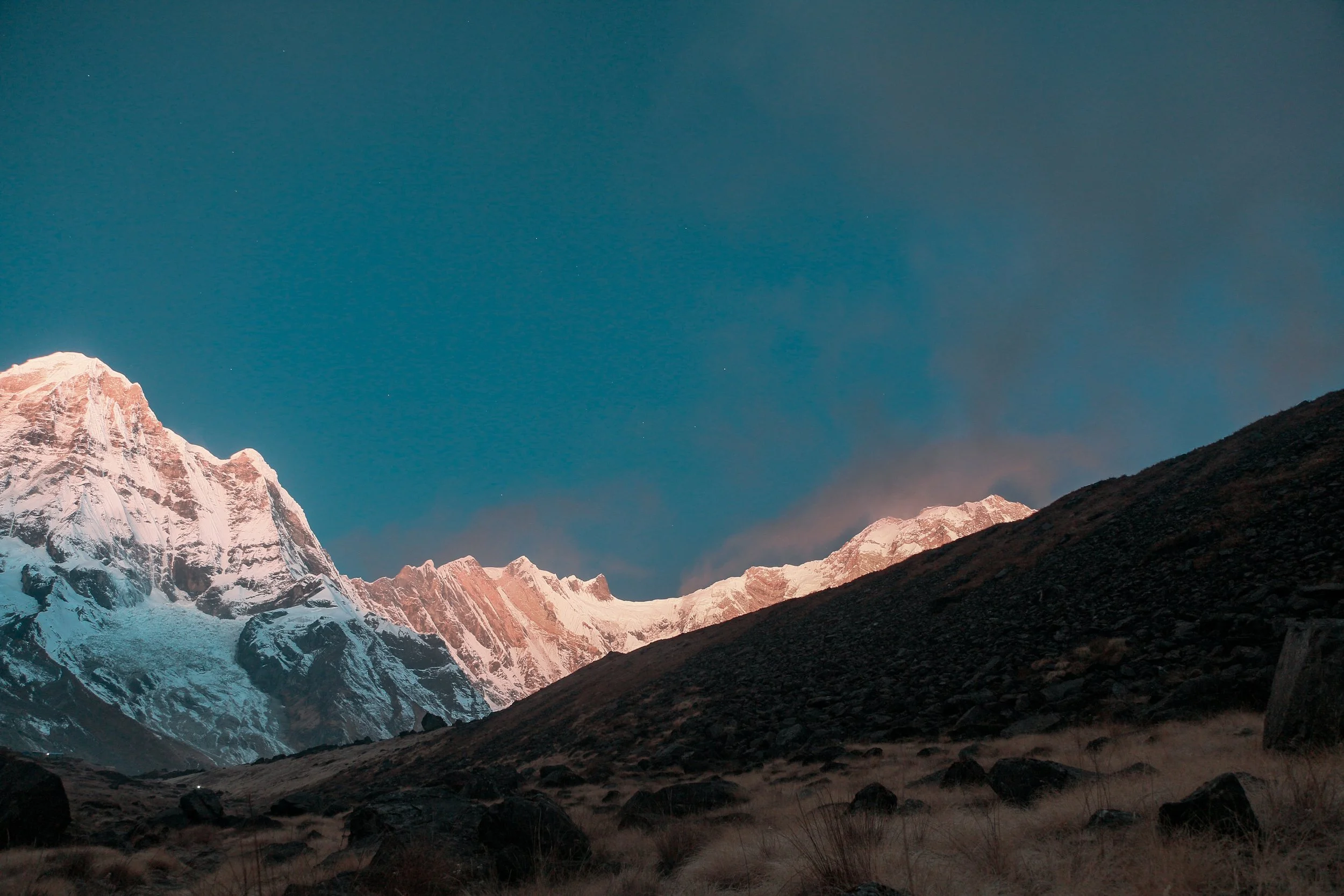
The Picturesque Trails of Annapurna
Trekking to Annapurna Base Camp is not for the faint of heart, but for those who are up for the challenge, it is a truly unforgettable experience. The breathtaking scenery of the Annapurna mountains, combined with the thrill of conquering challenging terrain and pushing oneself to new limits, makes this trek an absolute achievement.
The Annapurna Base Camp Trek is a moderate to challenging trek that takes you through lush forests, picturesque villages, and stunning mountain landscapes. The trek starts from Nayapul and follows the Modi Khola River through lush forests of oak, rhododendron, and bamboo. As you ascend, you will pass through charming Gurung villages such as Ghandruk and Chhomrong, where you can experience the local culture and hospitality.
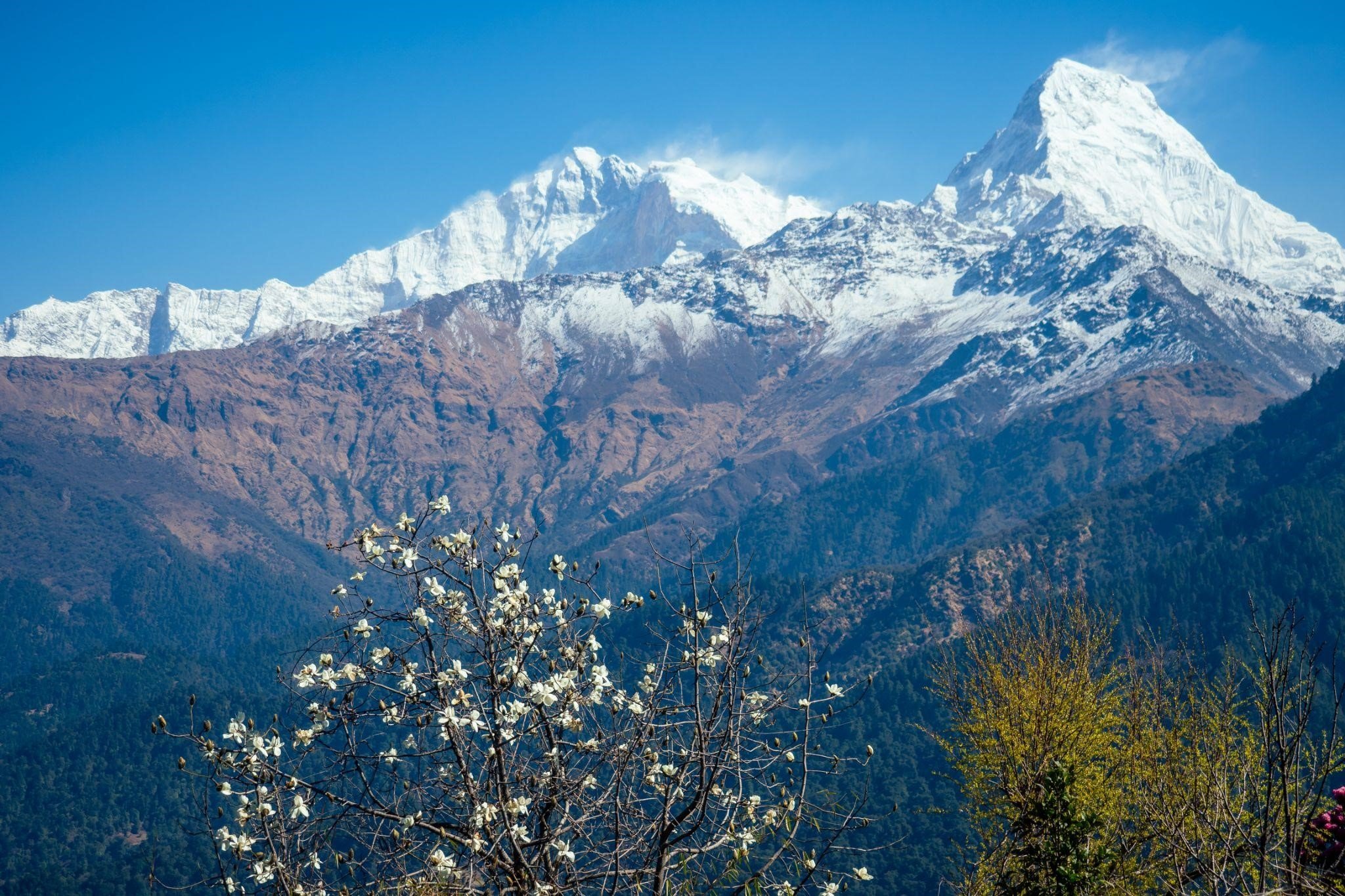
The highlight of the trek is reaching the Annapurna Base Camp (4,130m), located at the base of the stunning Annapurna massif. The trail to the base camp offers spectacular views of the Annapurna range, including Annapurna South, Annapurna I, Hiunchuli, Gangapurna, and Machhapuchhre (Fishtail).
The Annapurna Base Camp Trek is a challenging trek, and trekkers should be physically fit and prepared for the altitude. However, the trek is accessible to most trekkers with some prior trekking experience. The best time to do the trek is from September to November and March to May when the weather is dry and clear.
Trekkers will need to be able to hike for several hours each day, with some steep uphill and downhill sections. Altitude sickness is also a potential risk, so it's important to take the necessary precautions and be aware of the symptoms. It's recommended that trekkers do some training beforehand, such as cardiovascular exercises and hiking on hilly terrain, to prepare for the trek.
The general travel route, difficulty and elevation change are as follows:
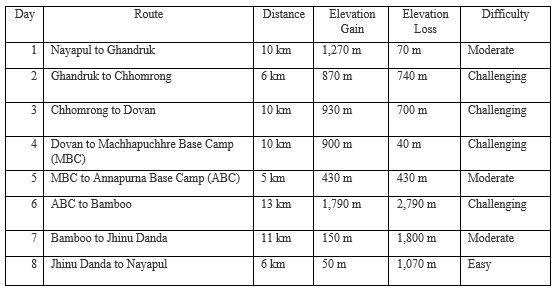
The trek can be completed in 8 to 10 days, depending on the pace and the number of rest days taken. As you can see from the table, the trek includes some challenging legs, such as the ascent to Machhapuchhre Base Camp and the descent from Bamboo to Jhinu Danda. It is important to be physically fit and prepared for the altitude and the steep terrain. Additionally, the trek involves staying in basic lodges, and trekkers should be prepared for the rustic accommodations and facilities.
Every adventure comes with its fair share of concern and risk. While trailing down the adventerous path’s of the Annapurna Base Camp Trek one must take note of the following:
Altitude sickness is a potential risk. It's important to acclimatize properly by gradually ascending to higher altitudes, staying hydrated, and avoiding alcohol and tobacco.
The weather can be unpredictable in the mountains. Trekkers should be prepared for both rain and snow, and bring appropriate gear such as waterproof jackets and pants, warm layers, and sturdy boots.
The trail can be steep and rocky in places, so it's important to have good hiking boots with ankle support and to watch your footing.
Some parts of the trail may be narrow and exposed, so it's important to take extra care and not take unnecessary risks.
Lodging and food options may be limited in some areas, so it's a good idea to bring some snacks and energy bars for the trail.
Garbage management is a major concern in the area, so it's important to pack out all your trash and dispose of it properly in designated areas.
Local culture should be respected. Trekkers should dress modestly, avoid public displays of affection, and ask for permission before taking photographs of locals or their homes.
As you make your way along the trail, through lush forests, over rocky terrain, and past snow-capped peaks, you'll be reminded of the sheer power and beauty of nature. And as you finally reach Annapurna Base Camp and take in the sweeping panoramic views, you'll know that all the hard work was worth it.
So, for anyone who's up for a challenge and ready to be rewarded with stunning scenery and a sense of accomplishment, the Annapurna Base Camp Trek is waiting for you. Get your hiking boots ready, train hard, and prepare to be amazed. The journey may be tough, but the destination is absolutely worth it.
POPULAR ITINERARIES
SIMILAR POSTS
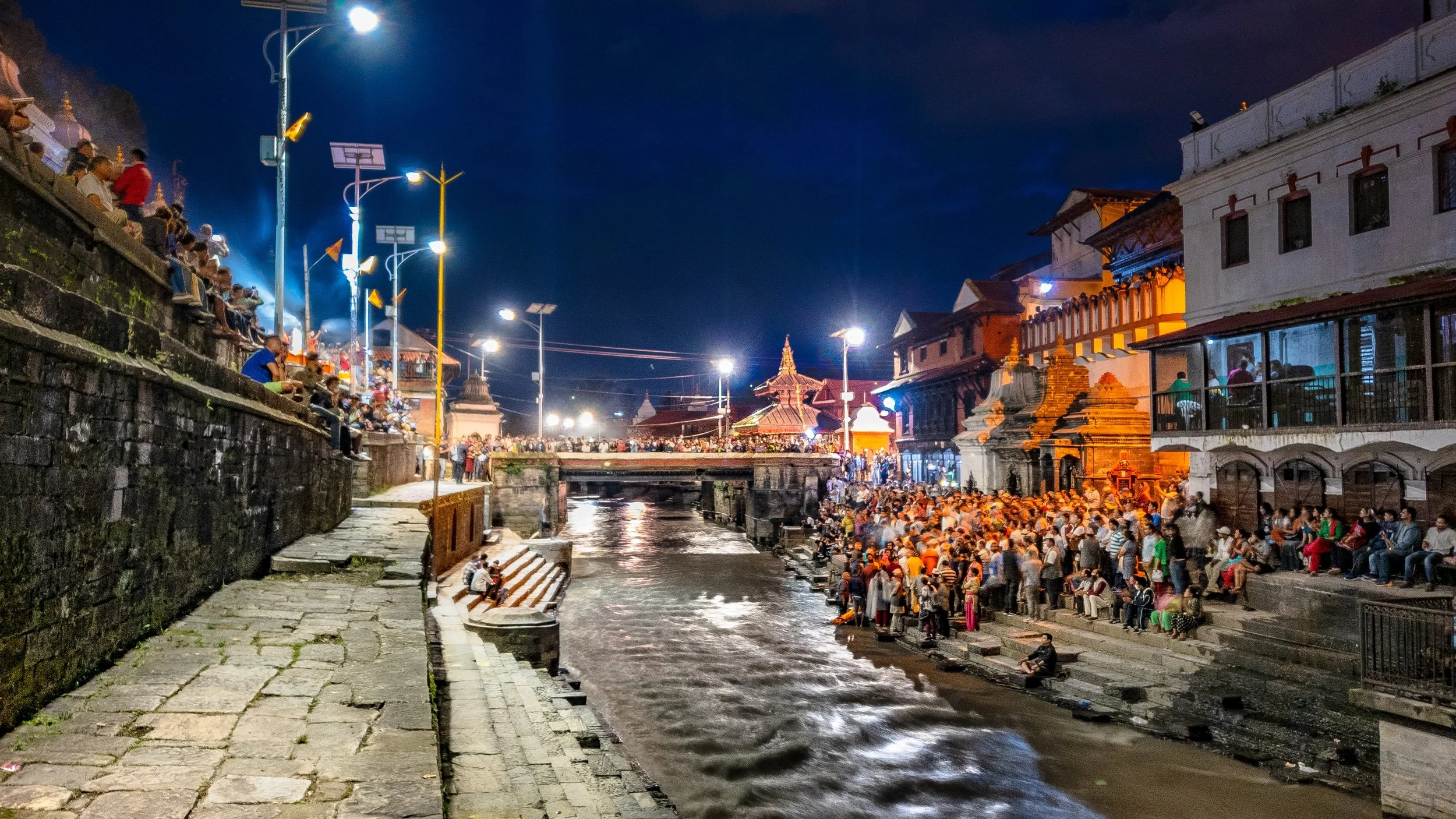
Exploring the Pashupatinath Area: Insights and Recommendations
Whether you're looking to connect with your spiritual side, immerse yourself in Nepali culture, or simply take in the beauty of this breathtaking region, the Pashupatinath area has something for everyone. So sit back, relax, and let us be your guide as we explore the best that this unique corner of Nepal has to offer.
Nepal's Pashupatinath area is a spiritual hub, drawing visitors from all corners of the world to its sacred sites, including the revered Pashupatinath Temple. As a result, the area is also home to a number of hotels and accommodations, offering travelers the chance to fully immerse themselves in this unique cultural experience.
In this article, we'll provide you with insights and recommendations to help you make the most of your visit to the Pashupatinath area. We've talked to locals, scoured travel blogs, and pulled from our own experiences to compile a comprehensive guide for anyone planning to explore this vibrant and spiritual corner of Nepal.
Historical Insight
The Pashupatinath area has a rich and complex history, dating back centuries to the dawn of Hinduism and Buddhism in Nepal. The region has long been considered one of the most important spiritual centers in the country, and its influence can be felt throughout Nepali culture and society.
One of the most significant landmarks in the area is the Pashupatinath Temple, which is believed to have been built in the 5th century CE. The temple is dedicated to Lord Shiva, one of the three most important Hindu deities, and is considered one of the most sacred Hindu temples in the world. The temple's architecture and design reflect the ancient Nepali and Indian styles that were popular at the time of its construction.
Over the centuries, the Pashupatinath Temple has undergone numerous renovations and additions, as well as periods of neglect and disrepair. Despite these challenges, the temple has remained a vital center of religious and cultural life in Nepal, drawing devotees and visitors from around the world.
In addition to the Pashupatinath Temple, the area is also home to a number of other important religious sites, including the Guhyeshwari Temple and the Dakshinkali Temple. These temples are dedicated to a variety of deities and have their own unique histories and traditions.
Outside of its religious significance, the Pashupatinath area has played an important role in Nepal's political and social history as well. The area was once the site of important royal ceremonies and festivals, and was even used as a venue for public executions during certain periods of Nepali history.
he Pashupatinath area in Nepal offers a wealth of cultural and religious experiences for travelers to explore. Here are some recommendations for things to do and see in the region:
Take a guided tour: To truly appreciate the history and significance of the Pashupatinath area, consider taking a guided tour facilitated via our Travel Desk with a knowledgeable local guide. You'll learn about the complex religious and cultural traditions of the region, and gain insights into the historical significance of the temples, shrines, and other landmarks in the area. A guided tour can also help you avoid getting lost or missing important sites, and can provide helpful context and background for your visit.
2. Visit the nearby Boudhanath Stupa: This ancient Buddhist stupa is located just a short distance from the Pashupatinath area, and is another important pilgrimage site in Nepal. Explore the complex, which includes numerous monasteries and temples, and take in the serene atmosphere.
3. Take a stroll through the Pashupati Nath Forest: Just a short distance from the Pashupatinath Temple is the beautiful Pashupati Nath Forest, a peaceful and serene area that provides a welcome respite from the hustle and bustle of the city. The forest is home to a variety of flora and fauna, and is a popular spot for picnics and relaxing walks. Take a leisurely stroll through the forest and enjoy the natural beauty of the area, or simply find a quiet spot to sit and meditate. The Pashupati Nath Forest is a hidden gem of the region, and is well worth a visit.
POPULAR ITINERARIES
SIMILAR POSTS

World Peace Pagoda in Pokhara: A Symbol of Harmony and Tranquility
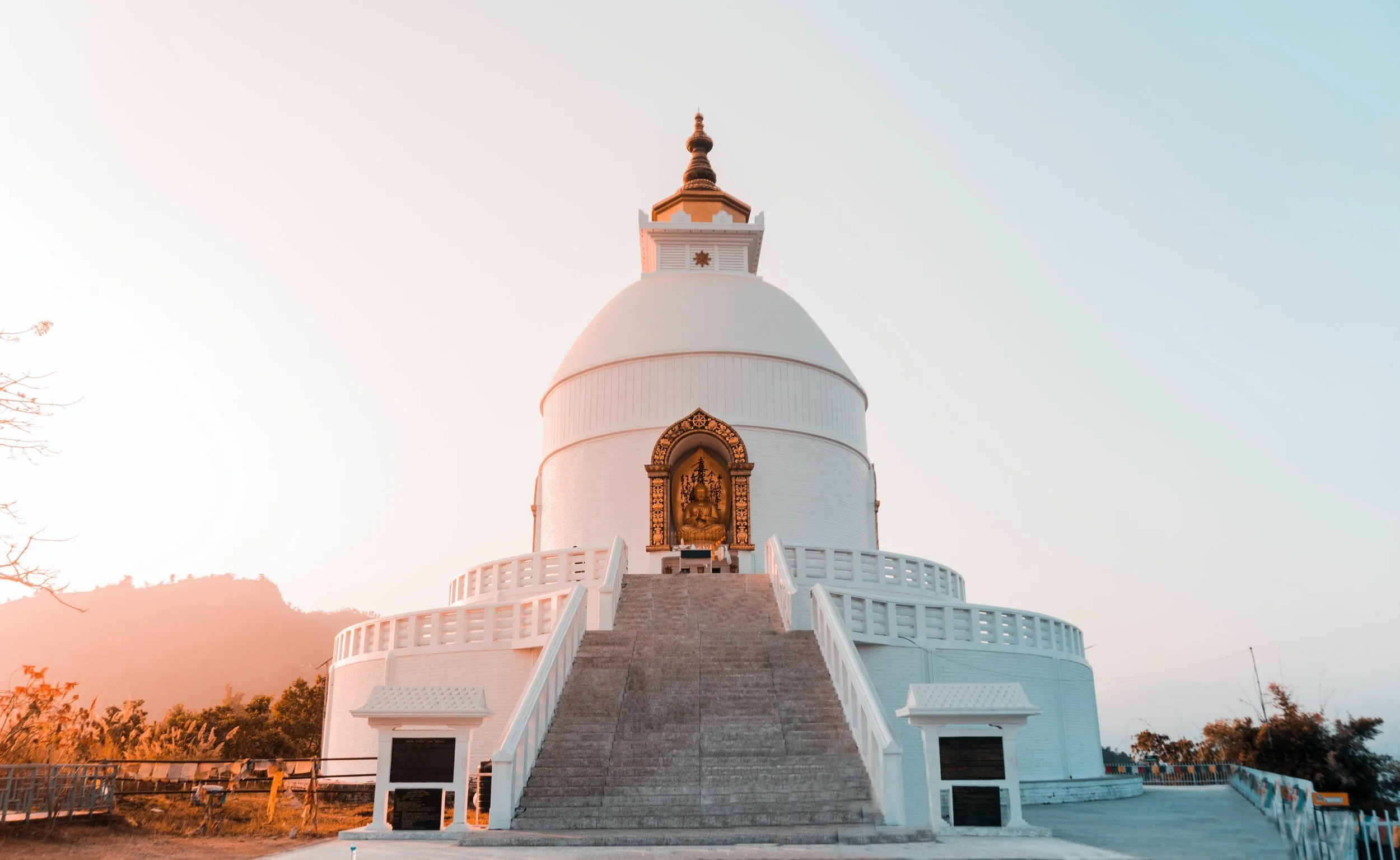
Discover the World Peace Pagoda, a stunning example of traditional Buddhist architecture located in Pokhara, Nepal. Built in 1973, this shimmering white pagoda offers panoramic views of Pokhara and the surrounding mountains. Come and immerse yourself in the peace and harmony of this iconic symbol of hope.
Nestled atop Ananda Hill in Pokhara, Nepal, stands the iconic World Peace Pagoda. This shimmering white structure is not only a symbol of peace but also a stunning example of traditional Buddhist architecture. Built in 1973 by the Nipponzan-Myohoji Buddhist Order, the World Peace Pagoda serves as a beacon of hope and harmony for people of all faiths. With its panoramic views of Pokhara and the surrounding Annapurna range, the pagoda is a popular destination for visitors seeking to escape the hustle and bustle of city life and immerse themselves in the tranquility of nature. Whether you arrive by boat or on foot, the World Peace Pagoda is a must-see destination that will leave you feeling inspired and uplifted. So, come and discover the beauty and serenity of the World Peace Pagoda in Pokhara, where peace and harmony reign supreme.
The History of the World Peace Pagoda
The idea of building a peace pagoda in Pokhara was first proposed by the Japanese Buddhist monk, Nichidatsu Fujii, who was the founder of the Nipponzan-Myohoji Buddhist Order. Fujii was a strong advocate of non-violence and world peace, and he believed that building peace pagodas around the world would help promote his message of peace. After getting approval from the Nepalese government, construction of the World Peace Pagoda began in 1973, with the help of local and international volunteers. The pagoda was built using traditional Buddhist techniques and features four ornate Buddha statues facing the four cardinal directions. Today, the World Peace Pagoda is considered one of the most important Buddhist shrines in Nepal and a testament to the power of peace and unity.
Architectural Design of the World Peace Pagoda
The World Peace Pagoda in Pokhara is a magnificent example of traditional Buddhist architecture. The pagoda's gleaming white exterior is immediately eye-catching, and its position on a hill overlooking Phewa Lake makes it one of Pokhara's most iconic landmarks. The pagoda's construction was guided by the principles of Buddhist architecture, which prioritize harmony between the natural world and the built environment. The pagoda is built using a mixture of local materials and traditional techniques, and features intricate carvings and statues that depict important figures from the Buddhist faith.
At the top of the pagoda is a large dome-shaped structure, which is adorned with a golden spire that glints in the sunlight. The golden spire is called the finial and is an important symbol in Buddhist architecture, representing the enlightenment of the Buddha. The finial sits atop a structure known as the harmika, which is a square platform that sits on the dome. The harmika is decorated with carvings of lotus petals and other symbols of Buddhist iconography.
The inside of the pagoda features four ornate Buddha statues, each facing a different cardinal direction. These statues are made of gilded bronze and are adorned with precious gems and intricate designs. The walls of the pagoda are adorned with murals and paintings depicting important events from the life of the Buddha and other Buddhist figures. Visitors to the pagoda are welcome to enter and pay their respects, and the peaceful atmosphere inside the pagoda is a testament to the skill of its builders and the enduring beauty of Buddhist architecture.
Getting to the World Peace Pagoda is relatively easy as it is located on top of Ananda Hill on the southern shore of Phewa Lake in Pokhara. You can reach the base of the hill by taking a taxi or local bus from the Lakeside area in Pokhara, which is a popular tourist destination with plenty of restaurants, cafes, and shops.
Once you reach the base of the hill, you can either hike up the steep trail to the top or take a boat ride across the lake and hike up from the other side. The hike up to the World Peace Pagoda takes about an hour, but the stunning views of the surrounding mountains and lake make it worth the effort.
POPULAR ITINERARIES
SIMILAR POSTS
Must Have Mementos: 5 Souvenirs to Bring Back from Nepal
Immerse yourself in Nepal's rich cultural heritage and discover unique souvenirs to make your trip memorable. From intricately crafted bronze statues to handmade paper products and luxurious pashmina shawls, explore five great souvenir ideas to take back home.
Are you planning a trip to Nepal and looking for some unique souvenirs to take back home? You've come to the right place. Nepal is a land of rich cultural heritage and artistic traditions, offering a wide variety of souvenirs that reflect its unique identity. As an AI language model trained to assist you with all your queries, I'm here to help you discover five great souvenirs that you can take back from Nepal, including bronze statues as per your request. So, let's get started and explore the best souvenirs that Nepal has to offer!
Sacred Sculptures: Bringing Home the Beauty of Nepalese Bronze Statues
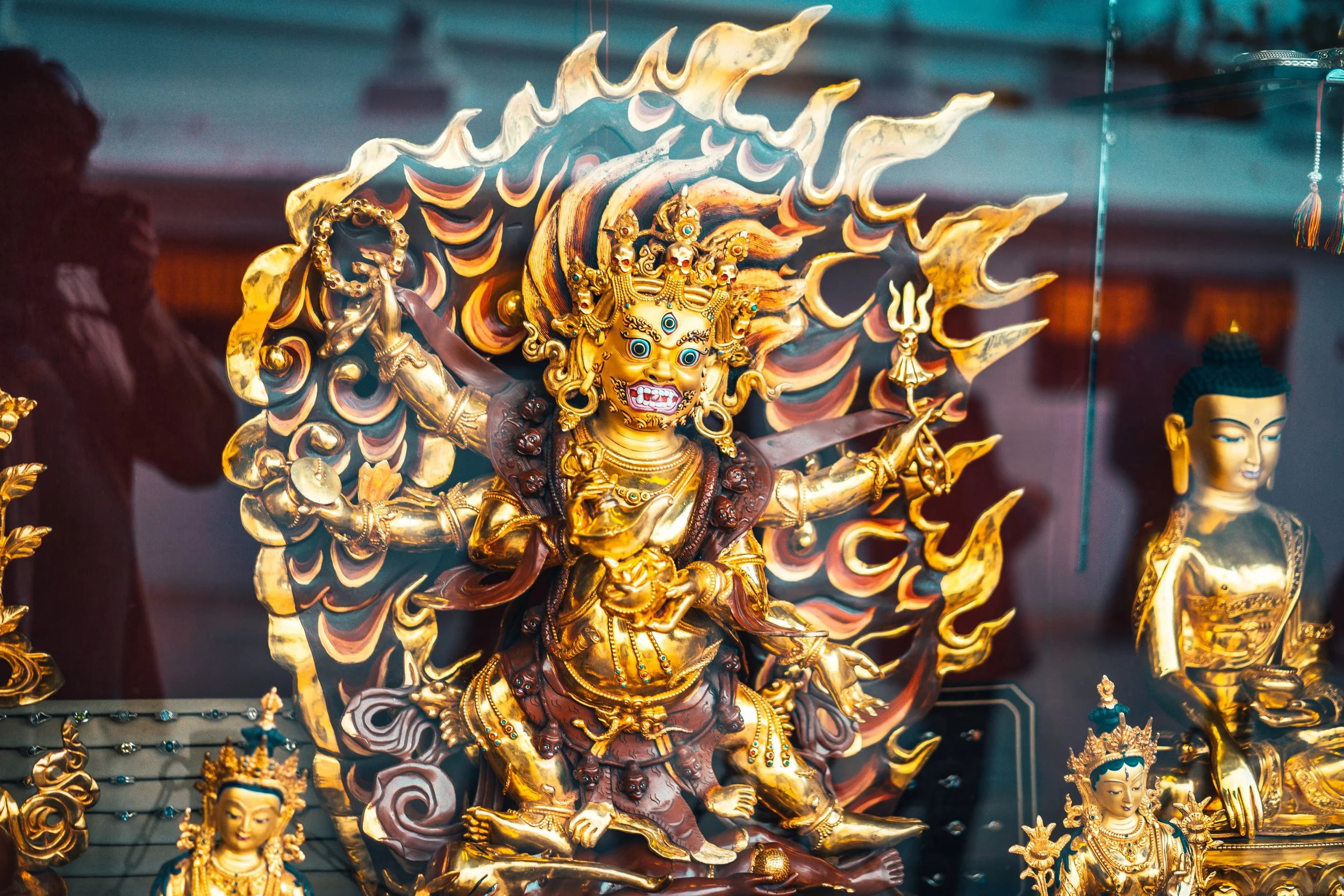
Bronze statues are an important part of Nepal's rich cultural heritage and artistic tradition. The art of bronze casting has been practiced in Nepal since ancient times and is said to have originated in the Kathmandu Valley. Bronze statues are primarily made to depict Hindu and Buddhist deities, and they are considered sacred objects in Nepalese culture. These statues are created using the lost-wax casting method, which involves making a wax model of the statue, creating a mold around the model, and then pouring molten bronze into the mold. The result is a beautifully crafted statue that can last for centuries. Some popular examples of bronze statues include the Shiva lingam, Buddha statues, and Ganesh idols.
A Window into Buddhist Culture: Admiring Nepal's Thangka Paintings
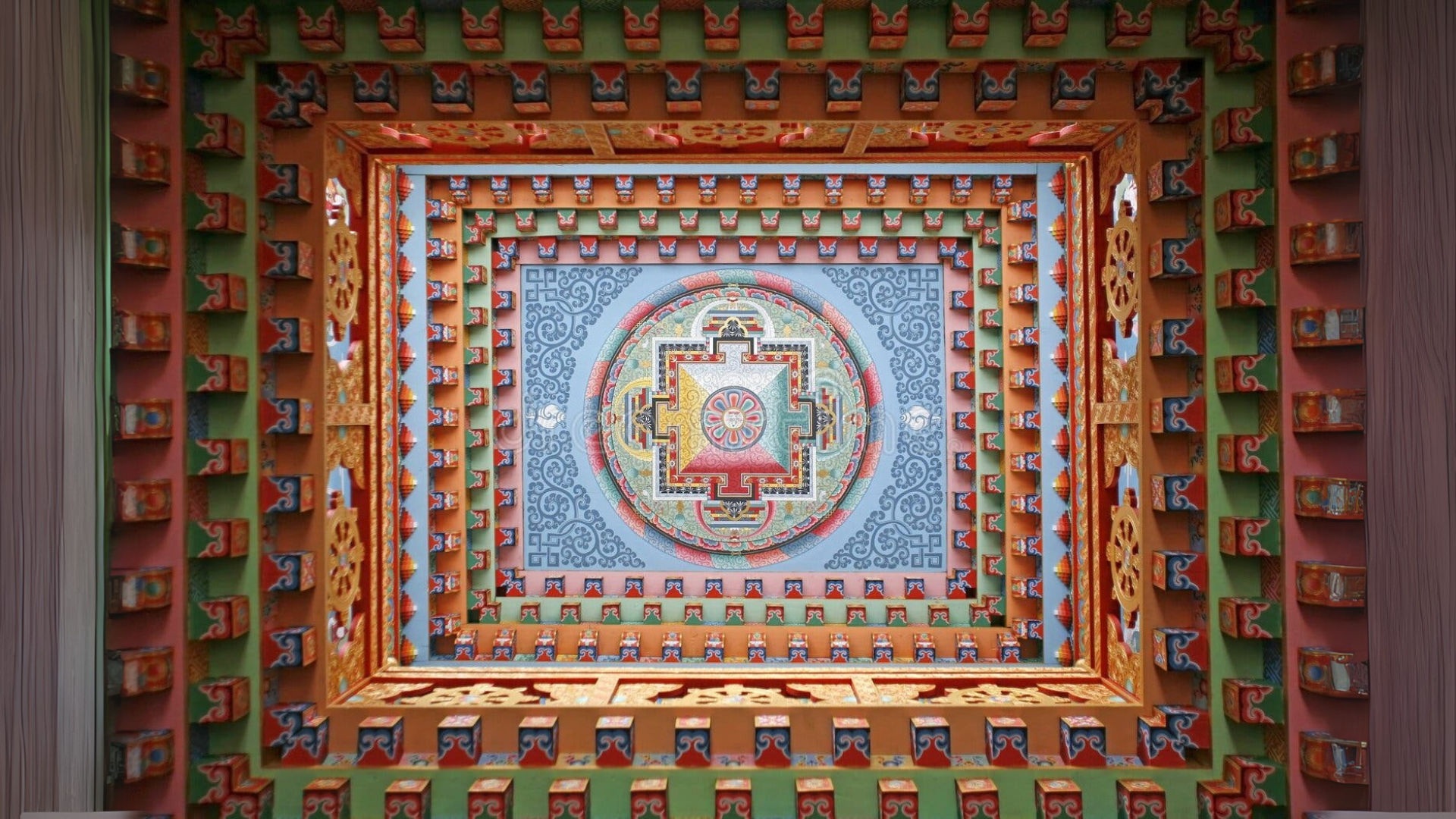
Thangka paintings are traditional Tibetan Buddhist paintings that depict various deities and scenes from Buddhist mythology. They are created on cotton or silk using mineral and vegetable pigments and gold leaf. Thangka paintings have been a part of Tibetan and Nepalese culture for over a thousand years and are considered sacred objects. They are used as teaching aids in Buddhist monasteries and as objects of meditation for practitioners. Thangka paintings are often commissioned by wealthy families or monasteries to honor deities or to commemorate important events. Examples of popular Thangka paintings include the Mandala, the Wheel of Life, and the Four Heavenly Kings.
The Beauty of Handcrafted Paper: Celebrating Nepal's Traditional Artistry
Nepal is known for its handmade paper products, which are made from the bark of the Lokta tree. This paper has been made in Nepal for over a thousand years and was traditionally used for religious texts. Today, Lokta paper is used to make a variety of products, including journals, cards, notebooks, and lampshades. Handmade paper products are environmentally friendly and sustainable, and they make great gifts for people who appreciate unique, artisanal products. Some examples of handmade paper products from Nepal include the Himalayan Paper Works journals, and Kathmandu Valley Co. greeting cards.
Wishful Thinking: Uncovering the Meaning Behind Nepal's Prayer Flags
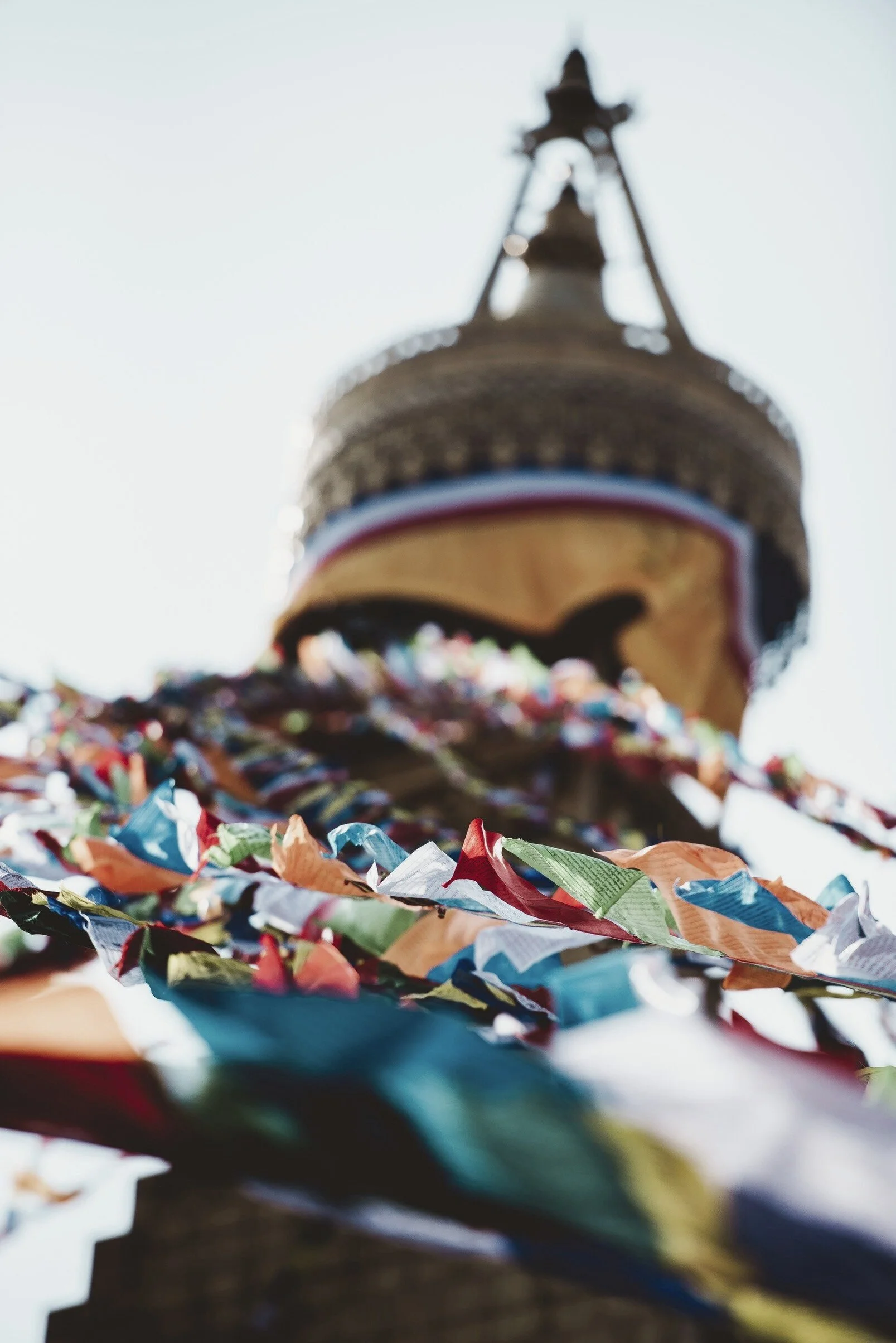
Prayer flags are an integral part of Nepalese culture and are found all over the country. These flags are inscribed with mantras and prayers and are believed to bring good luck, prosperity, and happiness. They are hung outdoors, and the wind is said to carry the prayers to the gods. Prayer flags are often used in religious ceremonies, and they are also a popular souvenir item for tourists. Some examples of prayer flags include the Lung ta (horizontal) prayer flags and the Darchog (vertical) prayer flags.
A Touch of Himalayan Luxury: Bringing Home Nepalese Pashmina Shawls
Pashmina shawls are luxurious, lightweight shawls made from the wool of the Himalayan Mountain goat. The wool is harvested by combing the goats, and the resulting fibers are spun into a fine, soft yarn. Pashmina shawls are highly prized for their softness, warmth, and durability, and they have been a part of Nepalese culture for centuries. They are often worn by women as a sign of status and are considered a valuable family heirloom. Today, pashmina shawls are also popular souvenirs for tourists. Examples of popular pashmina shawls from Nepal include the Lhasa pashmina shawl and the Everest pashmina shawl.
POPULAR ITINERARIES
SIMILAR POSTS
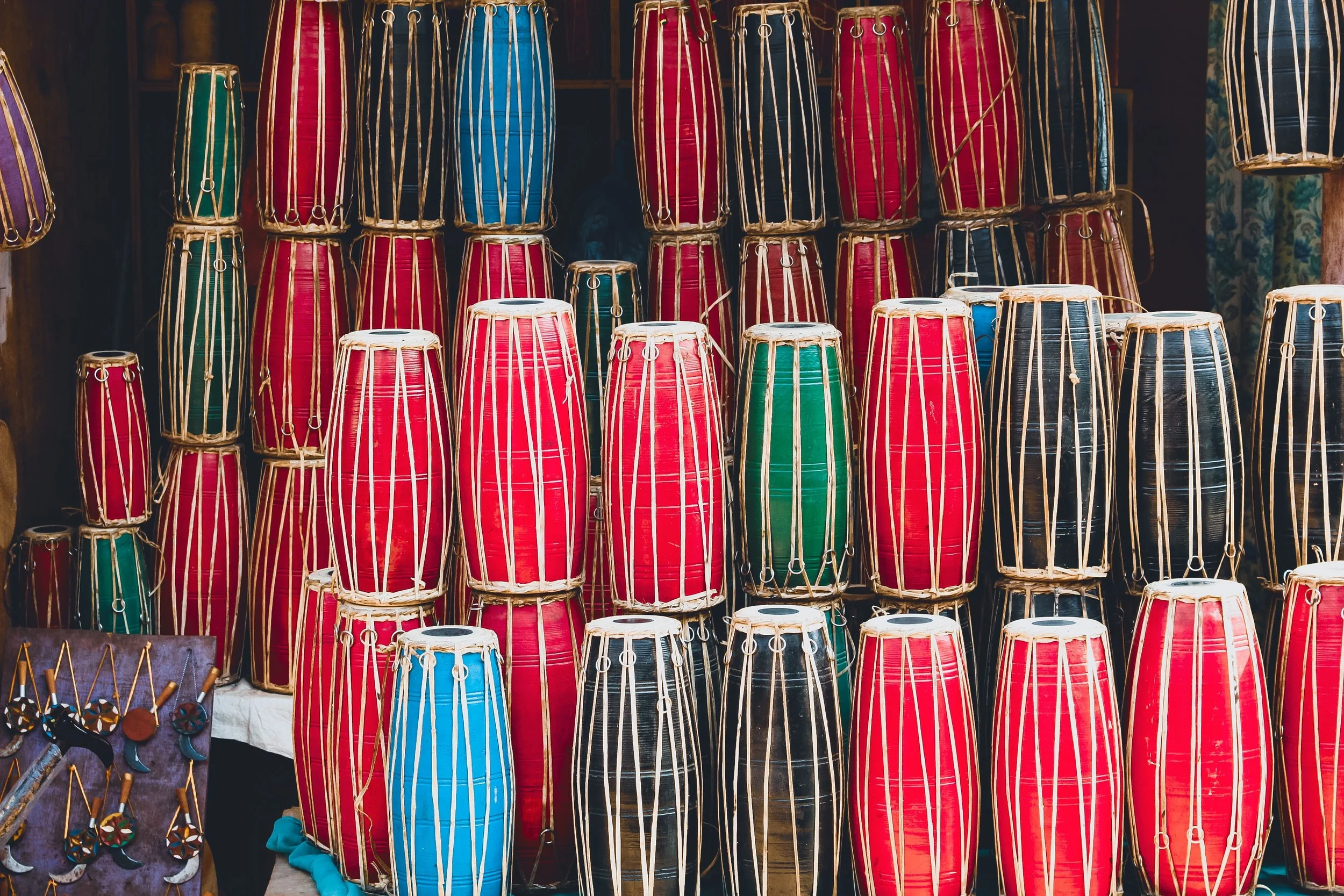
The Sounds of Nepal
Music has always been an integral part of Nepalese culture and is a reflection of its history, beliefs, and way of life. Musical instruments in Nepal are an essential component of its cultural identity and have played a vital role in shaping its musical traditions.
Nepal, a land of mountains, valleys, and diverse cultures, is home to a rich musical heritage that has been passed down through generations. Music has been an integral part of Nepalese culture for centuries, and it reflects the country's history, beliefs, and way of life. Nepal's musical instruments are an essential component of the country's cultural identity, and they have played a crucial role in shaping the country's musical traditions.
From the haunting strains of the sarangi to the rhythmic beats of the madal, Nepal's musical instruments are as diverse as its people. The country's varied geography, with its mountains, hills, and plains, has contributed to the development of different musical styles and instruments across different regions.
The use of traditional musical instruments in Nepal is not just limited to entertainment or artistic purposes. In fact, many of these instruments are closely tied to religious and cultural practices, such as weddings, funerals, and festivals. For instance, the dhime drum is an essential part of the Chandi Naach, a religious dance performed during the Navaratri festival. Similarly, the damphu drum is used during the Ghatu dance, a folk dance popular in the Himalayan region. Amongst the variety of instruments found in ethnicities and cultures throughout Nepal, the most popular ones are as follows:
Sarangi
The sarangi is a stringed instrument played with a bow, similar to a violin. It is a popular instrument in Nepal and is often used to accompany singing or other instruments in classical and folk music. The body of the sarangi is small and hollow, and it has three main strings and up to 37 sympathetic strings. The sympathetic strings produce a resonant, almost ghostly sound that creates a unique tonal quality. The sarangi is an essential instrument in Nepalese music, and its sound is instantly recognizable.
Madal
The madal is a double-headed drum made of wood and leather, commonly used in Nepalese folk music. It is played with both hands, and each side of the drum produces a different sound. The madal has a distinctive sound that is loud and rhythmic, making it a popular choice for folk dances and festivals. It is often used to create the beat for other instruments or singing.
Bansuri
The bansuri is a bamboo flute commonly used in classical Indian and Nepalese music. It is made of bamboo or wood and played by blowing across a hole in the instrument. The bansuri produces a beautiful, haunting sound that is often used to create a meditative or introspective atmosphere. It is an important instrument in the Indian classical music tradition and is also commonly used in Nepalese music.
Dhime
The dhime is a large drum that is played during cultural festivals and religious ceremonies in Nepal. It is made from wood and animal skin and has a deep, resonant sound. The dhime is played in pairs, with two drummers striking the drumheads simultaneously to create a powerful, rhythmic sound that can be heard from a distance. The dhime is an important instrument in Nepalese culture and is often associated with celebrations and religious ceremonies.
Dholak
The dholak is a double-headed drum used in folk and traditional music in Nepal. It has two heads, one larger than the other, and is played with both hands. The dholak has a bright, lively sound and is often used to create the rhythm for folk dances and other musical performances.
Tabla
The tabla is a pair of drums used in classical Indian and Nepalese music. It is made of wood and animal skin and consists of two drums of different sizes, one played with the dominant hand and the other with the other hand. The tabla has a complex, intricate sound that can create a wide range of tones and rhythms. It is an essential instrument in the Indian classical music tradition and is often used in Nepalese music as well.
Damphu
The damphu is a percussion instrument consisting of a small drum covered with leather and played with a stick. It is a popular instrument in Nepalese folk music and is often used in combination with other instruments like the madal or bansuri to create a lively, energetic sound. The damphu has a sharp, snappy sound that can cut through other instruments and add a bright, percussive quality to the music.
Despite the growing influence of Western music, Nepal's traditional musical instruments have managed to retain their significance and popularity among Nepalese musicians and audiences alike. These instruments continue to inspire and influence contemporary music and artists, creating a unique fusion of tradition and modernity.
POPULAR ITINERARIES
SIMILAR POSTS
Top 5 Mountains to Summit in Nepal During Climbing Season
As the weather warms up and the snow begins to melt, climbers from around the world flock to Nepal to take on the country's many stunning peaks. With eight of the world's highest mountains located within its borders, Nepal is a mountaineer's paradise. Here are five of the top mountains to summit during climbing season.
As the snow begins to melt and the mountaineering season approaches in Nepal, climbers from around the world gear up to tackle the country's stunning peaks. While climbing is possible throughout the year, spring is the most popular time for mountaineering expeditions, with the months of March, April, and May offering the best weather and conditions for scaling Nepal's majestic mountains. During this time, climbers can expect clear skies, mild temperatures, and relatively stable weather patterns. The autumn months of September, October, and November also offer favorable weather for climbing. However, the winter months (December to February) are typically too cold and snowy for most climbers, while the summer monsoon season (June to August) brings heavy rain and high humidity, making climbing difficult and dangerous. In this article, we will be discussing the top five mountains to summit in Nepal during the spring climbing season. So, whether you're an experienced climber or just starting out, read on to discover some of the most beautiful and challenging mountains Nepal has to offer.
1. Mount Everest
Mount Everest needs no introduction. As the highest peak in the world at 8,848 meters, it draws climbers from around the world who seek the ultimate mountaineering challenge. While it is certainly not for the faint of heart, those who reach the summit are rewarded with breathtaking views and a profound sense of accomplishment.
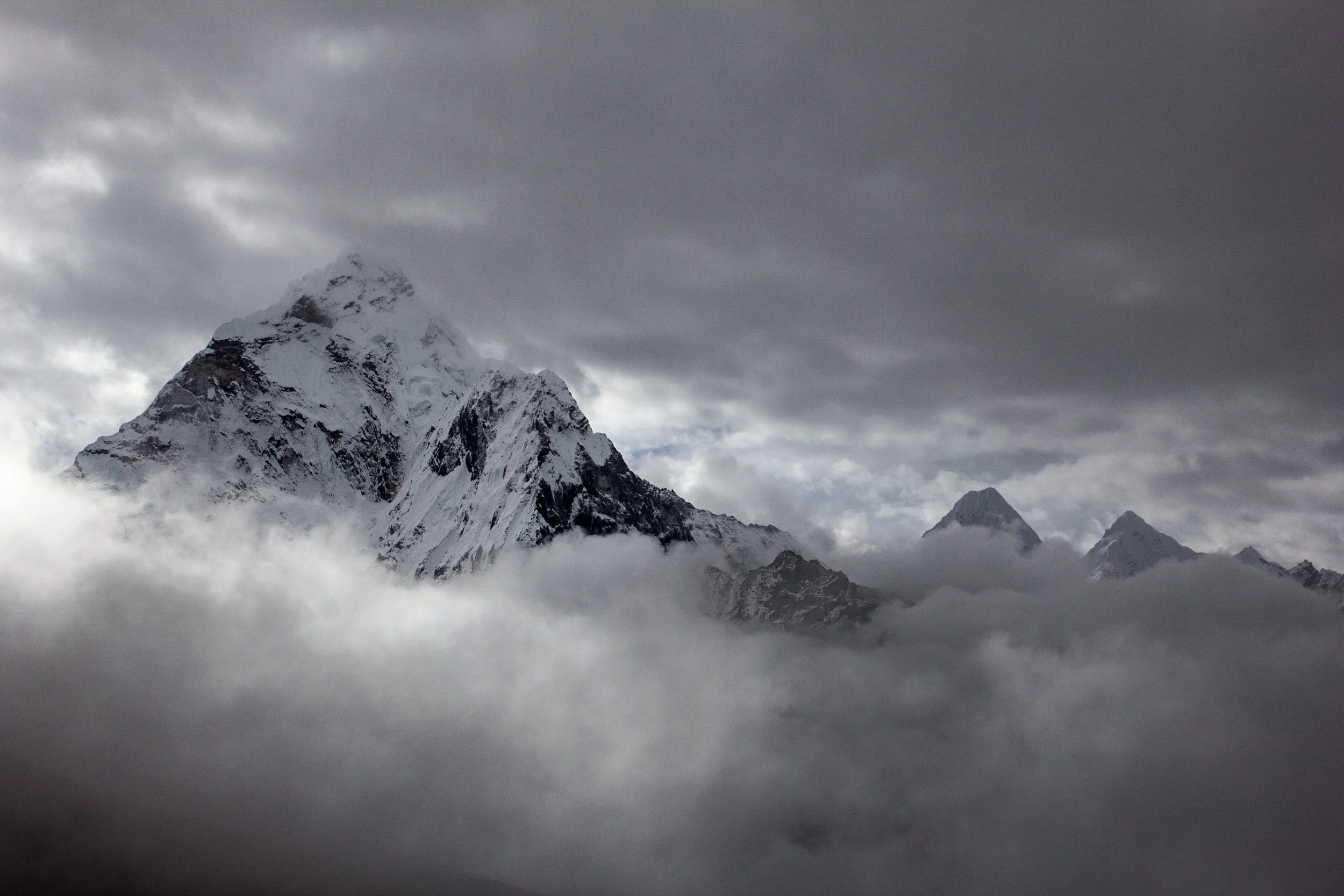
2. Ama Dablam
Located in the Khumbu region, Ama Dablam is one of Nepal's most iconic peaks. With its steep, exposed rock and ice faces, it offers a challenging climb that requires technical skill and experience. The peak is known for its striking appearance, with a sharp summit that resembles a "mother's necklace" of prayer flags.
3. Cho Oyu
Cho Oyu, the sixth-highest mountain in the world, straddles the border between Nepal and Tibet. Its relative ease of access and gentle slopes make it a popular choice for climbers looking for a high-altitude challenge that is slightly less technical than some of Nepal's other peaks. Cho Oyu is also an ideal mountain for climbers looking to make their first 8,000-meter summit.
4. Island Peak
Also known as Imja Tse, Island Peak is located in the Khumbu region and is a popular choice for climbers seeking a less technical peak that still offers a significant challenge. With an altitude of 6,189 meters, it is a great mountain for climbers who want to test their high-altitude abilities before attempting a more demanding peak.
5. Manaslu
Manaslu, located in the Himalayas in western Nepal, is the eighth-highest mountain in the world. While it is not as well-known as some of the other peaks on this list, it is a challenging climb that rewards climbers with stunning views of the surrounding Himalayan peaks. The climb requires technical skills and experience, as well as a high level of fitness.
As with any mountain climb, it is important to properly prepare and train before attempting any of these peaks. Climbers should also ensure they have the necessary permits and equipment, as well as a qualified guide to lead them on their ascent. With the right preparation and guidance, climbers can take on the challenge of Nepal's stunning peaks and experience the adventure of a lifetime.
POPULAR ITINERARIES
SIMILAR POSTS
Bungamati: A Hidden Gem
Bungamati offers a plethora of engaging activities for tourists to immerse themselves in. From exploring ancient temples and traditional Newari architecture to trying out local delicacies and shopping for unique handicrafts, there is something for everyone in this charming town.
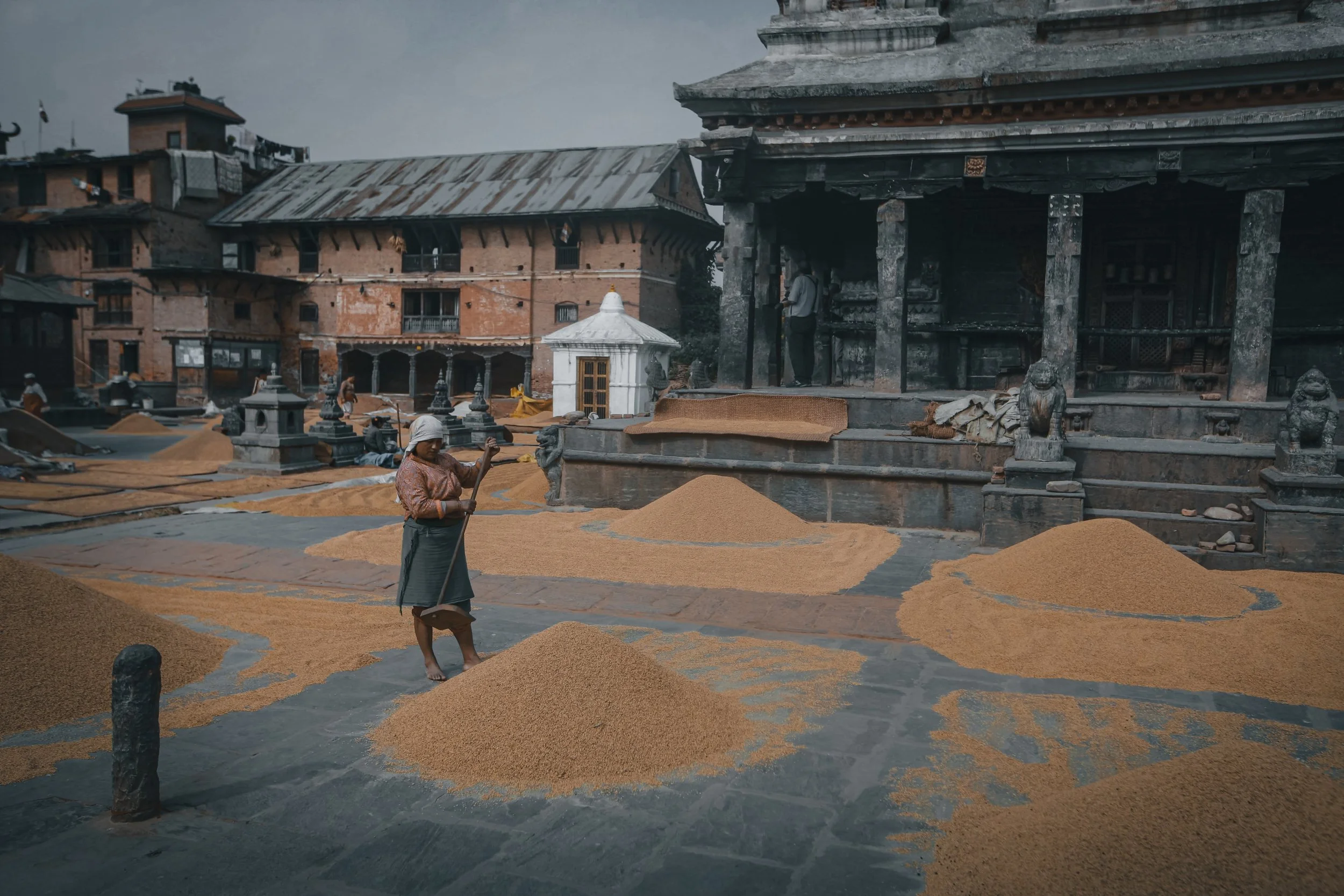
Bungamati is a hidden gem nestled in the Lalitpur District of Nepal, just 10 kilometers south of the bustling city of Kathmandu. This charming village boasts a traditional Newari setting and style, with stunning architecture, art, and crafts that reflect its rich cultural heritage. Although it may be a short distance from the airport, Bungamati feels like a world away from the hustle and bustle of modern life, offering visitors a peaceful and authentic experience. If you're looking for a tranquil escape that immerses you in the local culture, Bungamati is the perfect destination.
The town’s history dates back to the Kirat Era. Through various historical accounts and evidences from neighbouring cities, it is evident that most villages in this valley were founded by the Kirat’s. The town during the Lichhavi era was called Bugayumigrama. Scholar’s state that ‘Bugayumi’ is a Kiratian dialect.
It is widely accepted that during the Malla period, the town was called Bungapattan, and it was an important center of commerce, culture, and religion. The Malla rulers developed Bungamati into a prosperous town with well-planned streets, temples, and public buildings. They also built the Rato Matsyendranath Temple, which is considered the most sacred site in the town.
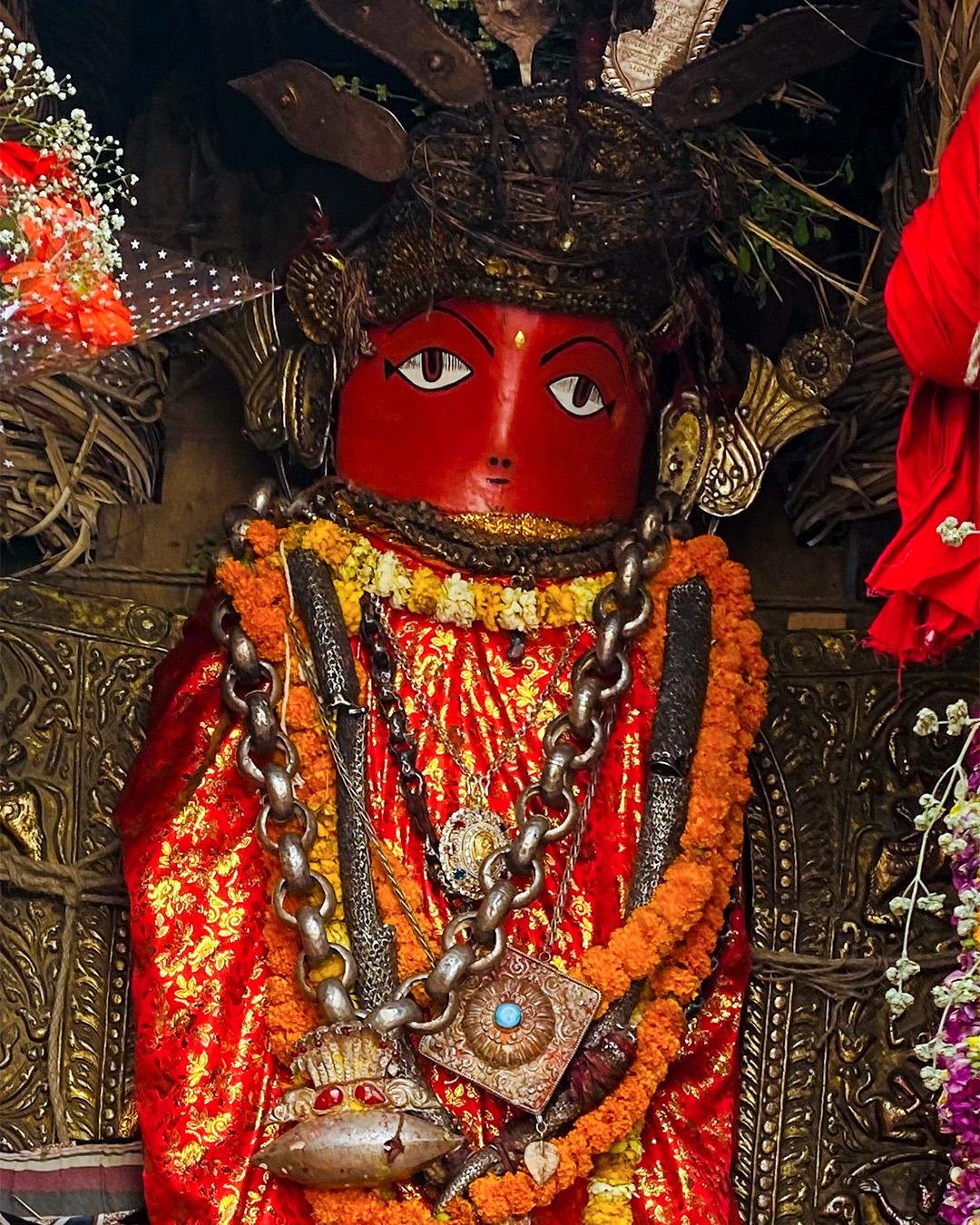
The Rato Matsyendranath temple remained an important focus of religious life in Bungamati, and the deity became an object of veneration for both Hindus and Buddhists in the region. The deity was believed to be an incarnation of the god Vishnu, and was associated with the power to bring rain and ensure good harvests.
Here are some exciting activities you can engage in while in Bungamati, which are sure to make your visit to this charming town an unforgettable experience:
1. Explore the traditional Newari architecture: Bungamati is renowned for its traditional Newari architecture, which is best explored by wandering through the narrow alleyways and admiring the intricately carved wooden windows and doors. Visitors can also visit the traditional Newari houses, which provide a glimpse into the daily lives of the locals.
2. Visit the Rato Matsyendranath Temple: The Rato Matsyendranath Temple is a must-visit attraction in Bungamati. This ancient temple is dedicated to the Hindu deity Matsyendranath, who is worshipped as the patron saint of Kathmandu. The temple is especially famous for its annual festival, the Bunga Dyah Jatra, which takes place in April or May.
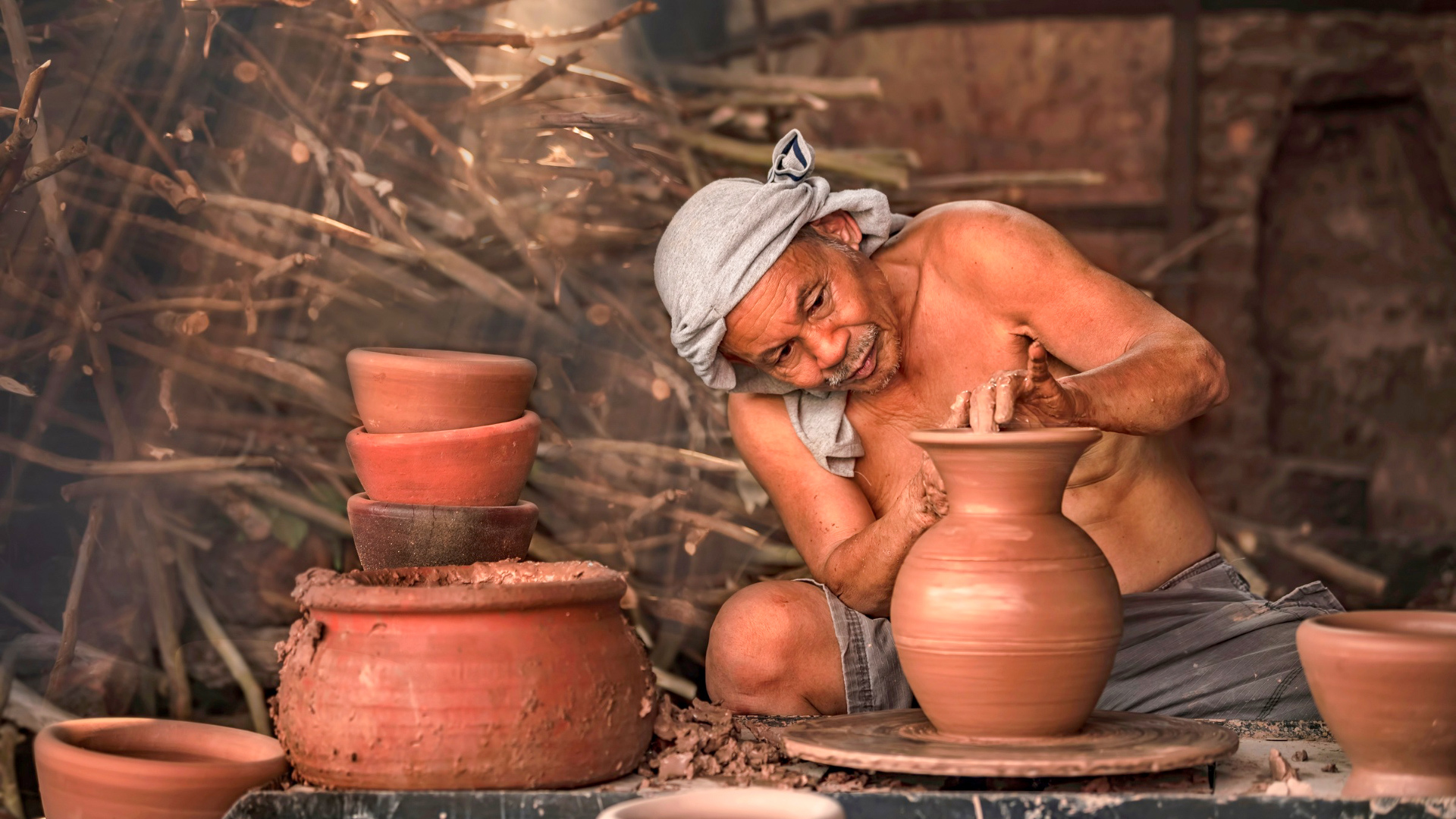
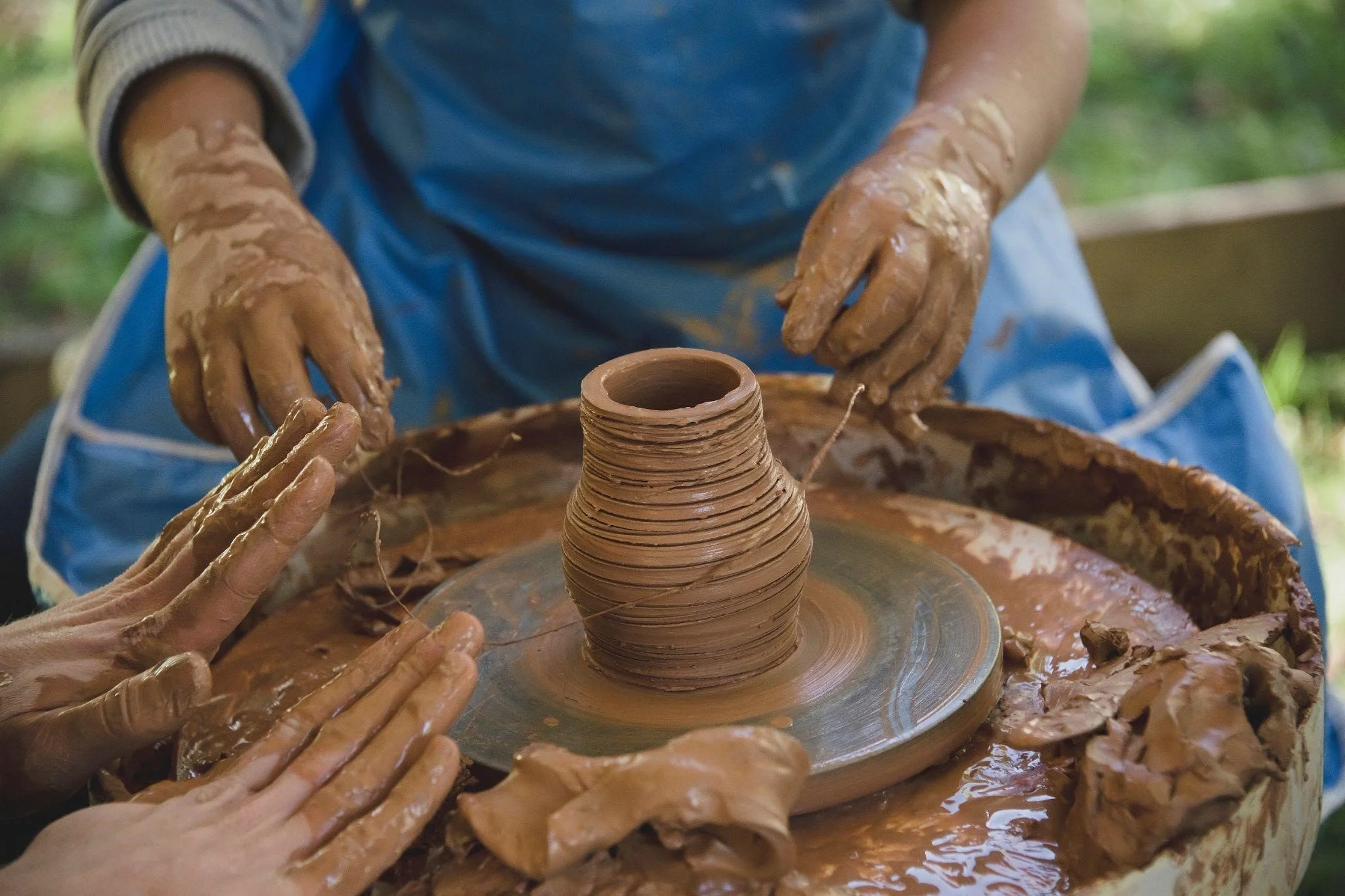
3. Take a pottery class: Bungamati is known for its traditional pottery, and visitors can learn to make their own pottery by taking a class with a local artisan. The classes are held in traditional Newari houses, and visitors can learn about the different techniques and styles of pottery-making that have been passed down through generations.
4. Hike to Khokana: Khokana is a nearby village that is known for its mustard oil production. Visitors can take a scenic hike through the fields and hills to reach the village, where they can learn about the traditional methods of mustard oil extraction and visit the local market.
5. Taste Newari cuisine: Bungamati is a great place to try traditional Newari cuisine, which is famous for its rich flavors and unique ingredients. Visitors can sample local dishes like bara, chatamari, and yomari, which are made with rice flour, lentils, and other local ingredients.
6. Attend a local festival: Bungamati is known for its vibrant local festivals, which are celebrated throughout the year. Visitors can attend festivals like the Bunga Dyah Jatra, the Rato Machhindranath Jatra, and the Khokana Festival, which are great opportunities to experience the local culture and traditions.
POPULAR ITINERARIES
SIMILAR POSTS
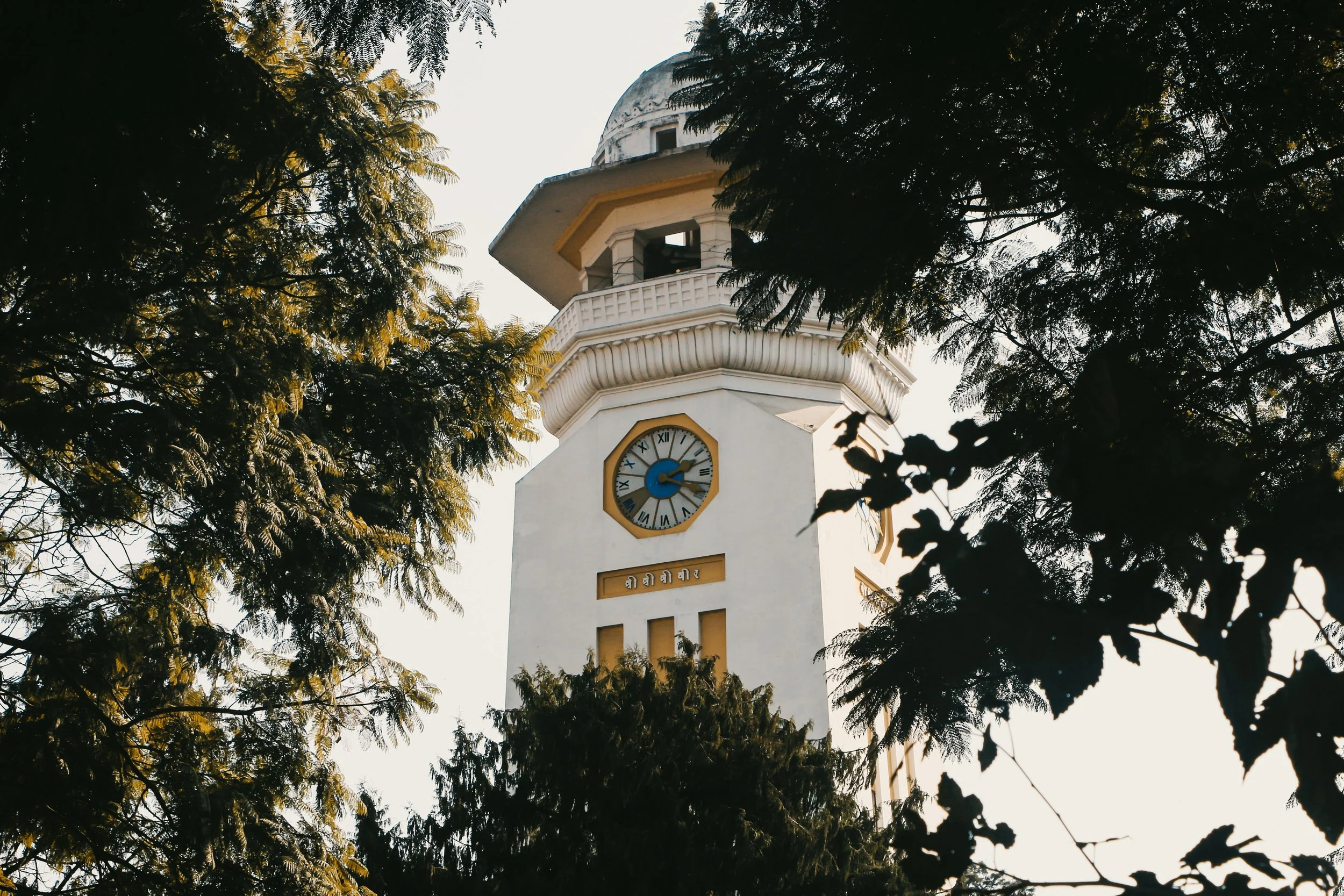
Ghanta Ghar: A Symbol of Time and Modernity
The 16 brass bells of Ghanta Ghar produce a melodious sound that can be heard from afar, signaling the time of day in a distinctively Nepali manner. The clock's golden numerals are painted with precision and shine brilliantly in the sun. Together, these features make the Ghanta Ghar a unique and recognizable landmark in the heart of Kathmandu.
There are countless treasures hidden in the Kathmandu valley that contribute to its charm, but some of them often go unnoticed. It's only when the bells strike that people stop to look up and marvel at a magnificent clock tower that does much more than simply show the time. Standing tall in the heart of the city, the Ghanta Ghar of Kathmandu is a remarkable relic that speaks volumes about the city's rich history and cultural heritage. Its towering presence and intricate design have made it a popular landmark and a symbol of modernization, while also serving as a meeting point for locals and tourists alike. In this article, we will delve deeper into the history and significance of the Ghanta Ghar and explore why it continues to be a fascinating attraction that must be seen by anyone visiting Kathmandu.
The history of Ghanta Ghar in Kathmandu dates back to the early 20th century when Nepal was under the rule of the Rana dynasty. The Rana rulers were known for their love of grand architecture and monuments, and they were also keen on modernization.
In 1909, the then-Prime Minister of Nepal, Chandra Shumsher Rana, visited Europe and was impressed by the clock towers he saw in various cities. Upon his return, he decided to construct a similar tower in Kathmandu. The idea was to have a tower that would serve as a timekeeper for the city and also symbolize Nepal's modernization.Construction of the Ghanta Ghar began in 1930 under the direction of the chief engineer, Kishore Narsingh Rana. It took four years to complete, and the tower was inaugurated by Prime Minister Juddha Shamsher Rana on April 1, 1934.The Ghanta Ghar was designed by the architect, Kishore Narasingh Rana, who was also responsible for designing many other important buildings in Nepal, including the Singha Durbar Palace, which is now the administrative center of the Nepalese government.
The tower is made of bricks and cement and has a distinct architectural style that blends traditional Nepalese and European elements. The four clock faces on the tower were manufactured in England by Gillett & Johnston, a company known for producing clocks for prominent buildings around the world. Over the years, the Ghanta Ghar has become a significant landmark and a symbol of Kathmandu. The tower has withstood several earthquakes and other natural disasters and has undergone several renovations and repairs to maintain its structural integrity.
The Ghanta Ghar clock tower in Kathmandu has undergone several renovations over the years, but the original style of construction is still evident in many aspects of the tower. The original tower was built using bricks, wood, and mud mortar. However, during the recent renovation, concrete was used to strengthen the foundation and framework of the tower. The size and shape of the original Ghanta Ghar clock tower was slightly different compared to the current tower. The tower's size was increased during the renovation to accommodate larger bells and improve its visibility. The clock faces of the original Ghanta Ghar tower had Nepali numerals, just like the current tower. However, during the recent renovation, the clock faces were restored to their original condition and the numerals were painted in gold. The original Ghanta Ghar clock tower had 12 bells, while the current tower has 16 bells, which are made of brass and were brought from London.
Even though it was conceived as a desire to mirror the Big Ben of London in Kathmandu, it created its own identity, importance and value. The Ghanta Ghar is an important treasure of Kathmandu that doesn't just tell time but is a symbol of Nepal's transition from the feudal era to a modern democratic state. It has witnessed significant events in Nepal's history, including the 2015 earthquake, and has stood the test of time as a resilient and enduring symbol of Nepali culture and heritage. The Ghanta Ghar clock tower continues to attract tourists and locals alike, who marvel at its beauty and learn about its historical significance. As one of the few remaining heritage sites in Kathmandu, the Ghanta Ghar clock tower is a testament to the city's rich and diverse cultural heritage, and a reminder of the importance of preserving it for future generations to appreciate and admire.
This trek is specially designed to reach the Everest Base Camp including Kala Pattar which is the best view point to view the sunrise over the high Himalayas including the Mt. Everest. This trek requires 13 days.
USD 1515 PER PERSON -- TWIN ROOM SHARING BASIS